
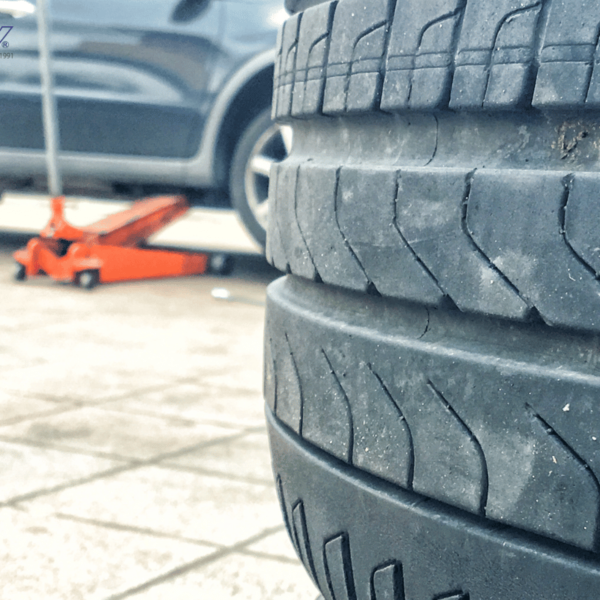
Tag: tire changer machine

Categories: Blog

Assume you’re driving down the road on a sunny day when you hear a loud thump followed by an unsteady sensation in your automobile. The all-too-common flat tire. While we’d all like to avoid it, understanding how to replace a car tire is a vital skill that every motorist should have. Fortunately, changing a tire isn’t as difficult as it may appear, and with a few easy suggestions and some basic equipment, you’ll be back on the road in no time.

This article will lead you through the process of replacing an automobile tire step by step. Whether you’re a seasoned or inexperienced driver, these pointers will help you face this common road hazard with confidence.

Safety First

Before you even consider replacing a tire, be sure you and others are safe. What you should do is as follows:

a. Pull over to a safe location: If you discover a flat tire, slow down gently and choose a level, well-lit site away from traffic. Stopping on a curve or in a blind zone should be avoided.

b. Turn on your hazard lights: Turn on your hazard lights to inform other drivers that you have a problem.

c. Engage the parking brake: Engage the parking brake to keep your vehicle motionless.

d. Gather your materials: Take your spare tire, jack, lug wrench, and any other equipment you need from the trunk or designated storage place of your car.

Locate the Spare Tire and Jack

A spare tire and a jack are usually housed in the trunk or beneath the rear cargo compartment of most automobiles. Consult your owner’s handbook for precise locations, since they vary by make and model. Take them out and lay them beside the flat tire after you’ve located them.

Loosen the Lug Nuts

While the automobile is still on the ground, loosen the lug nuts slightly before raising it with the jack. Use the lug wrench to turn each lug nut counterclockwise just a quarter or half a turn. This will make it easier to fully remove them later when the car is elevated.

Position the Jack

Proper positioning of the jack is crucial to ensure your safety and prevent damage to the vehicle. Consult your owner’s manual for the correct lifting points on your car. Generally, these points are marked with a notch or symbol. Place the jack in the correct position, ensuring it makes secure contact with the car’s frame.

Lift the Car

Using the jack handle, begin raising the car slowly. Keep a close eye on the car as it lifts to ensure it stays level and stable. Continue raising the car until the flat tire is approximately six inches off the ground. Do not put any part of your body under the car while lifting it.

Remove the Lug Nuts and Flat Tire

Now that the car is safely elevated, you can fully remove the loosened lug nuts with the lug wrench. Be sure to keep them in a safe place, as you’ll need them to secure the spare tire later. Once the lug nuts are off, carefully slide the flat tire out from the wheel hub and set it aside.

Install the Spare Tire

Position the spare tire onto the wheel hub and align the holes in the rim with the wheel bolts. Push the spare tire onto the hub as far as it will go. Then, thread the lug nuts onto the wheel bolts by hand. This ensures that you don’t cross-thread them, which could cause damage.

Hand-Tighten the Lug Nuts

Use your fingers to tighten the lug nuts as much as you can while the car is still suspended in the air. This will help center the spare tire on the hub.

Lower the Car

Using the jack, carefully lower the car until it rests on the ground. Make sure it’s stable before proceeding.

Tighten the Lug Nuts

Now that the car is on the ground, use the lug wrench to securely tighten the lug nuts. Begin by tightening one lug nut in a star or crisscross design. This keeps the spare tire evenly situated on the wheel hub. Tighten each lug nut as much as possible, but be careful not to overtighten, since this might deform the brake rotor or damage the wheel studs.

Double-Check and Replace the Tools

Verify that all of the lug nuts are properly tightened by walking around the wheel. Then, return your flat tire, jack, lug wrench, and other items to their proper places in the car.

Check the Spare Tire Pressure

Before you start driving, make sure the spare tire is filled to the correct pressure. Usually, the recommended pressure is stated in the owner’s handbook for your automobile or on the sidewall of the tire. An under-inflated spare tire might endanger the stability and safety of your car.

Explore – Tyre Lever From Truck

Conclusion

Changing a car tire at first could seem intimidating, but with the correct knowledge and some experience, it becomes a straightforward process. Always put safety first by coming to a halt in a well-lit place, obeying this advice, and putting on your warning lights.

By becoming an expert at changing a car tire, you can avoid lengthy waits for roadside assistance and make sure you’re prepared to handle unexpected flat tires with confidence. It’s a skill that every driver should possess, and with five simple tips, you’re well on your way to mastering it.
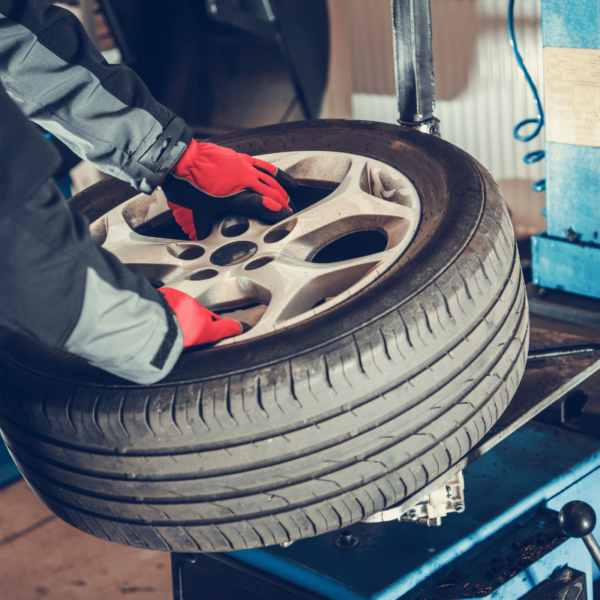
Categories: Blog

Whether you have numerous functioning automobiles or live in a rural location upstate, a tyre changer is a great item for your tyre store, garage, and even at home.

In the world of automobiles, being able to operate a wheel clamp tyre changer machine is crucial, whether you are a professional or just a normal car owner. No matter why you’re buying it, it’s a worthwhile investment that will end up saving you money.

How Do Tire Changers Work?

A tyre changer is a device that assists in detaching and reattaching tyres to wheels. Although there are several tyre changers with various features and functions, they all serve the same basic purpose. There are essentially two categories of tyre changers:

Hydraulically operated: These tyre changers apply pressure to the tyre to dislodge it from the wheel by use of hydraulic fluid and compressed air.

Manually operated: As the name suggests, using a manual tyre changer takes a little more work. To break the tyre bead, you must physically press down a lever and periodically move the tyre.

Each variety has advantages and disadvantages, but overall, they all help you rapidly and safely change your tyres. A decent tyre changer will be made of durable materials and with top-notch craftsmanship, making it easy to survive years of rigorous use.

Knowing how to use tyre changers

Prior to using a tyre changer machine, you should educate yourself on the numerous varieties and their many specialised functions:

Tilt Back Tire Changers

Their typical internal and exterior clamping capacities are 30″ and 28″, respectively. Because you won’t have to constantly screw and unscrew the head, tilt-back tyre changers are now simpler to operate and more useful for larger tyres.

Swing Arm Tire Changers

Most often seen at retail tyre stores, this kind of tyre changer. A larger clamping range is provided by the design of its four adjustable tabletop jaws. The simultaneous adjustment of all four tabletop jaws allows for error-free clamping.

Hi-grip jaw covers offer enough mounting torque to safeguard your wheels.

The swing arm changer’s sole drawback is that it requires frequent head unscrewing in order to accommodate various tyre sizes. On the whole, they are more cost-effective, more effective, and easier to use, therefore this may be disregarded.

Tire changers without levers or touches

suitable for low-profile tyres better.

In vehicle repair businesses, leverless tyre machines are the most prevalent kind. These are more expensive than the tilt-back and swing arm changers and are top-of-the-line.

Nonetheless, it is completely worthwhile to spend the money on a leverless tyre machine. They are easier to operate and more effective in rotating or switching tyres between wheels without causing bead damage. They also don’t require any training.

The capacity of a leverless tyre changer to independently raise and set down hefty rims is its most coveted attribute. At busy tyre shops, the operator doesn’t have to perform the strenuous manual lifting.

Heavy Duty Tire Changers

Larger vehicles, particularly those used in mining, construction, and agriculture, typically employ heavy-duty tyre changers. Wheels up to 56 inches in diameter, tyres up to 90.5 inches in diameter, and a width of 43 inches may all be changed using a standard heavy-duty changer.

The most recent models have a hydraulically driven, self-centring, four-jaw chuck with clamping jaws that can install and demount tyres up to 95 inches in diameter.

Motorcycle Tire Changers

Because they are made to handle smaller and lighter weights, motorcycle and ATV tyre changers are less complicated than other changers. The majority of them can fit wheels that are 10″ in diameter and 1-1/2″ broad. Even though they are often smaller and lighter to travel, they are nonetheless made of high-quality materials.

Utilizing a tyre changer machine with the power 

An extremely thorough and simple-to-follow instruction booklet is included with every tyre changer.

Before operating a tyre changer, you should read the operator’s instructions carefully and make sure you comprehend everything. It is definitely advised to have someone/a trainer who is knowledgeable about the type of tyre changer you have on hand if anything is unclear.

As an alternative, you may call the vendor or manufacturer of the equipment you buy to get a thorough over-the-phone walkthrough on how to use it securely. The equipment dealer may occasionally provide one-on-one training.

Once more, ALWAYS read and comprehend the entire handbook, regardless of whether you’ll have training or any form of expertise with a different model or brand.

Security First

Use safety eyewear before beginning any task, and stay away from wearing anything that might droop and become entangled in the equipment.

Gloves are also excellent, although they may not be absolutely necessary depending on the sort of equipment you are using and how much you will be moving the tyre.

Each contemporary automobile owner has to know how to change tyres. Or mechanic, but it may be harmful as well. Before doing anything else, always take the time to read all of the directions and become comfortable with how to operate a tyre changer correctly to ensure that every tyre replacement goes as easily as possible every time without accidents.