Your car’s tires are in charge of maintaining their health. It is essential to maintain its safety because it is the only component that directly touches the road. Tire maintenance may be done in a variety of ways. While you may try some of them on your own, the rest will require the help of expert services.
Do you want to learn the finest tire maintenance advice? Then, some of the most practical suggestions for increasing tire longevity will be provided in this article.
What Is the Best advice for tire Care?
The most straightforward strategy to extend the life of automobile tires is to keep an eye on them continuously and fix any problems as soon as they arise. Here are some recommendations for tire upkeep that will help you keep your tires in good condition for an extended period.
Think about routine inspection
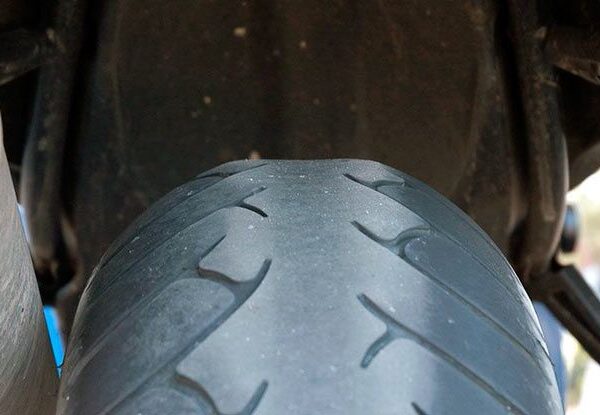
It is advised to properly examine your tires for rips and defects at least once a month. Your car’s tires and tread may sustain significant damage if you often drive on deteriorating roads. Consult a tire specialist regarding any cracks, penetrations, bulges, knots, or air loss.
You may stay informed about the tire’s health and make wise selections by looking for damage. A tire typically lasts six years or so under ideal circumstances. You will enjoy a smoother ride if you know when to change the tires on your car.
Verify your tires’ pressure
The lifetime of your tires is increased, and driving safety is increased with proper tire inflation. Therefore, it is advised to check the tire pressure at least once every two to four weeks. To minimize driving annoyance, keep the inflation pressure within the specified ranges.
Your tire handbook contains the suggested specifications for your particular set of tires. A tire’s underinflation is frequently blamed for severe tire degradation and air loss. On the other hand, excessive inflation causes rigidity, which makes driving more uncomfortable. As a result, consistent tire pressure control is crucial.
Learn more about – tire changer tool
Keep the Same Tire Size and Type
Preserving uniform tire size and type is frequently helpful when maintaining tire health, so keep that in mind as you think about the tire maintenance advice. Typically, radial tires are used on most passenger automobiles. You should use the exact tire size for all four automobile locations. For best results, one should avoid mixing and matching tire sizes unless the vehicle’s manufacturer recommends separate tire sizes for the front and rear wheels.
Tire damage may result from employing various tire sizes and kinds. Furthermore, improperly utilizing and maintaining different tires in a vehicle might shorten a tire’s lifespan.
Examine tire rotation
Tire specialists advise rotating your tires while you’re driving. Try turning your tires if you see them wearing down every 5000 kilometers. While doing so, ensure that each tire has equal exposure to the road. This will prevent one of the tires from wearing down too quickly and interfering with how you drive.
Healthy tire conditions are ensured by routine tire rotation. However, the riding experience is still comfortable since the tires’ wear is consistent. Additionally, this treatment lengthens the lifespan of the tires.
Take Wheel Bolt Size into Account
Typically, the manufacturer will give the wheel bolts to the car owner. This limits your ability to influence their size. However, it would help if you watched out for the length of the bolts used for tires. To accommodate the design of all types of tires, they should be of moderate size.
Bolts can only function if they are in the proper form; the wheels may thus come off as a result. They may also harm the suspension of your car. As a result, it is usually essential to have the bolts inspected by a professional after buying a car.
Continue to Drive Smoothly
Being a cautious and smooth driver might be another crucial step in tire maintenance. It is advised to drive slowly and as little as possible without thinking. For instance, if you move quickly and suddenly hit the brakes, the tires will suffer significant damage.
Therefore, driving at a balanced pace is better for preserving tire condition. This will keep tire wear to a minimum and prevent sudden braking. Additionally, avoiding bad driving conditions helps lessen tire damage.
Schedule a wheel alignment. Service
Checking wheel alignment and receiving correct servicing are required to keep your automobile running for as long as possible. In addition, it aids in ensuring that all of the wheel angles are to the manufacturer’s specifications. As the camber, caster, and toe angles determine wheel alignment, most tire experts recommend that drivers align their wheels at least once every 5,000 kilometers. Otherwise, they might think about it if they see uneven wear on the tire. Consistent wheel alignment helps prevent tire wear and tear.