Category: Blog

Categories: Blog

Maintaining the cleanliness and condition of your car is really important for its aesthetic appeal and overall longevity. Regular cleaning can improve the appearance of your vehicle and also protect it from damage caused due to dirt and grime. Among the different cleaning methods available steam cleaning is truly one of the best methods.

Eco-Friendly Cleaning

One of the best parts about steam cleaning is its minimum reliance on harsh chemicals. Typical car cleaning methods often include the use of strong detergents and solvents to remove dirt and stains. These chemicals can be harmful to the environment, potentially contaminating the water sources and impacting wildlife. On the flip side steam cleaning uses its temperature steam to break down dirt and grime greatly reducing the need for chemical cleaners.

Deep Cleaning Capability

  • Effective Removal of Dirt and Grime

Steam cleaning is highly effective at removing dirt grime and tough stains from different surfaces within your car. The high temperature steam penetrates deep into the surface and helps you lift and dissolve the dirt that typical cleaning methods might leave behind. One of the best parts about the cleaning is its versatility. You can use it on different surfaces within your current loading carpets and even the engine Bay. This makes steam cleaning an all-in-one solution for car detailing and it’s also capable of handling everything from fabric seats to delicate dashboard materials.

Sanitization and Disinfection

Steam cleaning goes way beyond then just removing visible dirt it also sanitizes and disinfects the surfaces by killing germs, bacteria and mold. You need to know that the high temperature of this team effectively eradicates all the pathogens without the need for chemical disinfectants. It is especially important for maintaining a healthy and a hygiene environment inside your car especially in high touch areas like wheels, doors and handles.

Preservation of Interior Materials

Another advantage of steam cleaning is its gentle non abrasive nature. Unlike typical cleaning methods that might use scrubbing or harsh chemicals, steam cleaning is safe for delicate materials. It cleans without causing damage or wear to the surfaces preserving the integrity and appearance of the interiors of your car. Leather seats, vinyl boards and other interior materials can be sensitive to harsh cleaning agents. It offers a safe alternative that protects these surfaces from any damage.

Time Efficiency

Steam cleaning is also known for its amazing efficiency in terms of water usage and drying time. Typical car cleaning methods can leave surfaces wet for a long time. It leads to potential mold growth and water damage. Steam cleaning uses greatly less water and leaves surfaces dry much quickly. The quick drying time is really convenient for you as it helps you reduce the overall time spent on the cleaning process stop

Allergy Relief and Air Quality Improvement

If you suffer from allergies, steam cleaning offers you a practical solution. It removes common allergens like dust mite pollen from your car interiors. Eliminating all these irritants can help you reduce allergy symptoms and also improve your overall comfort. The cleaner air inside your car contributes towards a more pleasant driving experience. Steam cleaning can remove allergens and also improves the overall air quality within your vehicle.

Cost Savings Over Time

Investing in steam cleaning can lead to major cost savings with time. By maintaining the cleanliness and condition of your car’s interior, steam cleaning helps to preserve its value and reduce the need for frequent professional detailing services. The initial investment can truly pay off in the long run through reduced maintenance expenses and prolonged vehicle lifespan.

Versatility and Accessibility

Steam cleaning is not just limited to your cars you can also use it on different vehicles like trucks and boats. This versatility makes it an attractive option for you if you have different vehicles. Whether it’s a compact car or a large recreational vehicle, steam cleaning can effectively tackle the cleaning requirements of different transportation modes. You need to know that steam cleaning services are becoming really accessible with many professional detailers offering steam cleaning as a part of the package.. If you prefer DIY or steam cleaners this is all widely available for purchase or rent.

So above all you need to know that steam cleaning offers plenty of benefits for you as a car owner. With its versatility and accessibility steam cleaning is a superior choice for maintaining a clean, healthy and well preserved vehicle. Investing in steam cleaning can improve the appearance and hygiene of your car and also contribute towards a more sustainable cleaning routine.

Categories: Blog

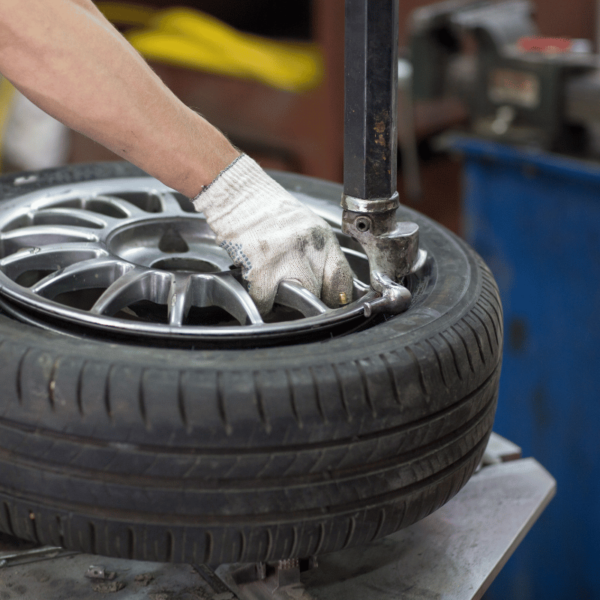
Proper tyre mounting is a really important element for ensuring vehicle safety and important optimum performance. The process includes precise handling to avoid damaging the tyre or the rim and to ensure secure fit. One of the most important elements in the process is the use of tire lubricant. It facilitates easy and safe tire installation. In this guide you can learn everything about the importance of tire lubricant.

What is tire lubricant?

Tire lubricant is a specialized substance formulated to help in the tyre mounting process. Basically it consists of a combination of water soap and other additives designed to reduce friction between your tire bead and rim. The main purpose of the tire lubricant is to ensure that your tires can be mounted onto the rim smoothly. First during the tire mounting process the tire bead must stretch over the edge of the rim and sit properly in the seat. It can be a challenging task especially with modern tires which are designed to be tight fitting for improved performance and safety. The lubricants can help in reducing the friction and resistance encountered during the process.

Benefits of using tire lubricant

One of the best parts about using tire lubricant is the prevention of damage to both the tire and the rim. By reducing the friction, tire lubricant reduces the force required to mount the tire on your rim. It helps in preventing damage to the tire bead which is important for maintaining the structural integrity and ensuring a proper seal with the rim. Without sufficient lubrication the bead can become distorted or even tear during the mounting process. Such damage can compromise the performance and safety of your tire.

Facilitates installation

Applying a tyre replicant allows the tyre to slide onto the rim without any minimum resistance. It provides you with a smooth installation process that saves you a lot of time and also reduces the physical effort required making the task more manageable. Proper seating of the tire which is really important for achieving the right seal between the tire and the rim. The tire lubricant ensures that your best seats correctly and uniformly around the rim.

Safety considerations

Safety is really important during the mounting and tire lubricant plays a very important role in improving safety for both you and the vehicle occupants. The process of mounting tires can be especially demanding and carries the risk of injuries if it is not done perfectly. Tire lubricant reduces the physical strain on you by making the tire easier to mount thereby lowering the risk of any work related injuries.

Compatibility with tire materials

Modern tires are made from different rubber compounds and materials and it is important that any substance used in the mounting process is compatible with all the materials. The tire lubricants are formulated to be completely compatible with the huge range of materials including natural and synthetic rubber compounds. It ensures that your lubricant does not cause any side effects that could compromise the performance or longevity. A good tire lubricant will not degrade the tire material or impact the integrity. It is especially designed to provide lubrication during the mounting process without leaving any residue that could weaken your tire or cause it to deteriorate with time.

Improves seal and inflation

Proper tire mounting is important for achieving a good seal between the tire bead and the rim which in turn impacts the tire inflation. The lubricant helps you ensure that your tyre wheat seeds perfectly on the rim creating the airtight seal. It is important for maintaining the correct tire pressure and ensuring the tire performs as expected. A proper seal between the tire bead and the rim is important for maintaining optimum tire pressure. The lubricant helps in achieving this seal which helps in preventing air leaks and ensures that your tire perfectly remains inflated. This can improve the performance and also improve the safety and fuel efficiency.

Longevity of tire and rim

By reducing friction and preventing damage during mounting the lubricant helps you preserve the structural integrity of the tire and the rim. It can even lead to longer life span for these components saving you a lot of money on replacements and repairs. It can help you prevent corrosion and where on the rim. Some lubricants contain additives that protect the rim from rust and other forms of corrosion.

Professional recommendations

Automotive experts and tire manufacturers recommend the use of tire lubricant for safe and effective tire mounting. These recommendations are based on extensive experience and even research into the best practices of tire maintenance.

So above all you need to know that using tire lubricant during the tire mounting process offers plenty of benefits from preventing damage and easing installation to enforcing safety and improving tire performance. It’s an essential tool for anybody involved in tire maintenance providing a safe , efficient and effective method for ensuring proper tire mounting.

Categories: Blog

Establishing a car wash center includes multiple strategic decisions from choosing the right location and business model to choosing the right equipment. The success of your car wash business depends on the efficiency and the quality of the equipment used. With technological advancements and unique customer preferences it’s really important for you to invest in equipment that aligns with your business objectives and market demands.

You need to know that choosing the right equipment is really important for operational efficiency and customer satisfaction of your car wash center. High quality reliable equipment ensures thorough cleaning reduces operational expenses, downtime and maintenance costs. Additionally, advanced technology can improve the customer experience offering you convenience and satisfaction which in turn fosters your customer loyalty and repeat business. Proper equipment selection also impacts our water and energy usage, influencing the environmental footprint and operational expenses of your business.

Types of Car Wash Equipment

Automatic Car Wash Systems

Automatic Car Wash Systems are really prominent for their convenience and speed. These systems basically include drive-thru setups where your vehicles are cleaned using a combination of brushes, high pressure water jets and cleaning solutions. It includes rollover or guarantee systems where the vehicle remains stationary while the equipment will move around it. The automatic system is your best bet if you have high volume locations offering you quick and consistent cleaning. It requires substantial initial investment but it provides high throughput making it profitable in busy areas.

Self-Service Car Wash Equipment

Self-Service Car Wash Equipment allows you to clean the vehicles using provided tools and end products. The setups basically feature multiple bases with high pressure hoses and form brushes. As compared to automatic systems the self-service setups are more affordable for you. You can choose the level of cleaning and spend as much time as you want. Furthermore, you need minimum staff as you can just perform the cleaning all by yourself.

Tunnel Car Wash Equipment

Tunnel Car Wash Equipment is their special design for high volume operations where your car can constantly be pulled through a tunnel with different cleaning stages. The systems include pre soaks, high pressure washes and foam applicators. It is capable of handling a large number of vehicles per hour. Furthermore there are triple stages which ensure thorough cleaning and drying. They are your best bet if you are in a busy urban location and large service stations. They require a lot of space and investment but can generate major revenue

Hand Wash Equipment

Hand Wash Equipment is really important for car wash centers offering manual cleaning services. It includes bucket sponge brushes, microfiber towels and specialized cleaning solutions. Hand washing allows for perfect attention to detail and customized service. It is your best bet if you seek high quality personalized care for your vehicles.

Vacuum Cleaners and Detailing Tools

Vacuum Cleaners and Detailing Tools Are really important for providing comprehensive car cleaning services. They can help you remove dirt and debris from vehicle interiors. The steam cleaners are perfect for deep cleaning and analyzing upholstery. Investing in good quality vacuum cleaners is important to improve the overall service offering, ensuring customer satisfaction with both interior and exterior.

Assessing Your Business Needs and Goals

  • Determining the Scale and Capacity of Your Car Wash Centre Has it’s really important for you to understand the expected customer traffic based on your location. You need to decide whether you will offer automatic self-service or hand wash experience. It is vital for you to determine your business hours and peak times to understand equipment capacity.
  • Identifying Target Customer Base and Market Demand Is really important for choosing the right equipment. You can consider the age, income level and vehicle ownership of your potential customers. You must determine the customer preferences for car wash services like speed, convenience and quality. You need to evaluate the services and equipment used by competitors in your area.
  • Budget Considerations Play a very important role in equipment selection. You need to evaluate the purchase price of your equipment installation fees and any other important infrastructure upgrades. You must consider ongoing expenses like energy consumption and water usage. At the same time you must explore the financing options like leasing or loans to manage cash flow and initial expenses asking

Understanding Equipment Features and Technology

  • High-Pressure Washing Systems are really important for effective car wash operations. The systems use powerful jets of water to remove the dirt, grime and contaminants from the vehicle surfaces. You need to consider the adjustable pressure settings to accommodate different cleaning needs and vehicle types. You must invest in good quality high pressure washing systems as it improves the cleaning efficiency and customer satisfaction.
  • Water Recycling and Conservation Technology Play a very important role in car wash operations because of environmental concerns. Capture filters and reuse water reduce overall water consumption. It ensures equipment meets the local regulations and standards for water usage and waste management.
  • Integrated Payment and Customer Management Systems benefit from integrated payment and customer management systems which streamline our operations. You need to look for multiple payment options that support cash credit or debit cards. You can track customer preferences, visit history and feedback to improve the service offerings. It’s really important for you to understand the ability to monitor and manage equipment performance and customer interactions remotely.
  • User-Friendly Interfaces and Control Panels An important for efficient operations and customer satisfaction. Some factors include intuitive controls which are easy for both staff and customers to operate. You need to look for options to customize wash cycles settings based on your specific requirements

Evaluating Equipment Quality and Reliability

  • Researching Reputable Brands and Manufacturers is important as you need to identify leading brands in the industry. You must ensure equipment meets the standards of the industry for performance and safety. You have to look for manufacturers which incorporate the latest technology and innovation in the products.
  • Reading Customer Reviews and Testimonials is really important as it provides you valuable insights in the real world performance of car wash equipment. You need to check reviews on industry websites, forums and social media platforms. You can check recommendations from industry peers or associations.
  • Considering Warranty and After-Sales Support Services As warranty coverage ensures that equipment comes with a comprehensive warranty covering parts and labor for a sufficient time. You need to check the availability of authorized service centers and the technicians in your area.

Compliance and Regulatory Considerations

  • Environmental Regulations: car wash centers need to align with strict environmental regulations regarding water usage and disposal. You need to implement recycling systems to reduce freshwater consumption and comply with local water restrictions. Effective water management systems can greatly lower your operational expenses and ensure compliance, full proper treatment and disposal of wastewater is really important to prevent pollution. So you need to install systems that treat and recycle the wastewater as it helps in meeting regulatory requirements and protects the environment.
  • Safety Standards: You must ensure that all the machinery and equipment is certified by recognized safety standards. Your staff should be trained on the proper use of equipment including safety procedures and emergency protocols like training programs should cover the handling of all the dangerous materials.
  • Accessibility and ADA Compliance for Customer Convenience Is really important for customer service and regulatory compliance fully aligned with the Americans disability act standards which includes providing accessible pathways ramps and designated parkings..

Space and Layout Planning

  • Assessing Available Space for Installation and Operation is important. You need to measure the available space accurately to determine the type and size of the equipment which can be accommodated. You need to consider both the length and width of the site and check the local zoning laws and regulations to ensure that the intended use of the space is permitted.
  • Optimizing Traffic Flow and Queue Management Is really important for maximizing throughput and minimizing wait times. You need to design clear and easily navigable entrance and exit points to prevent congestion. It’s vital for you to implement systems to manage queues and ensure that there is enough space for vehicles to line up without obstructing traffic.
  • Designing an Efficient and Functional Layout for Equipment Placement Is important you just need to position equipment strategically to reduce the movement and maximize efficiency you must design the workflow to ensure a smooth transition between different stages of the car wash process you can consider the sequence of washing rinsing and drying.

Customization and Upgradability Options

  • Modular Equipment Designs for Flexibility and Scalability Play a crucial role as modular equipment designs offer flexibility and scalability allowing you to expand or upgrade your services the systems can be customized to your specific requirements.
  • Compatibility with Additional Features and Accessories Can improve your service offerings and improve customer satisfaction. You must choose equipment that can be easily integrated with other systems like payment terminals and loyalty programs. The integration streamlines operations and also improves the customer experience. You have to look for equipment which can be upgraded with advanced features like touchless wash technology and high efficiency trials
  • Future-Proofing Your Investment Through Upgrade Paths include selecting equipment and systems which can be easily upgraded or expanded as technology evolves. You need to choose equipment with the latest technology to ensure longevity and compatibility with future upgrades. You can design your facility and choose equipment with upgrade paths in mind just ensure that there is enough space

Training and Maintenance Requirements

  • Staff Training and Certification Programs cannot be ignored as the program should cover all the parts of car wash operations including equipment used customer service and safety procedures. You must encourage staff to obtain certification from recognized industries body certification programs ensure that the employees have the important skills and knowledge to operate equipment safely. You have to provide opportunities for ongoing educational and professional development.
  • Routine Maintenance Schedules and Procedures are crucial for ensuring longevity and reliability of your car wash equipment. You must establish routine maintenance schedules based on the manufacturer’s recommendations and usage patterns. Regular inspections cleaning and services helps you prevent breakdowns and extend the lifespan of your equipment
  • Access to Technical Support and Spare Parts Availability is essential for reducing downtime and ensuring smooth operations. You need to choose equipment from manufacturers that offer comprehensive Technical Support services like phone support and online resources for

So above all you need to know that establishing a car wash center includes careful planning and strategic decision making across different parts of your business.

Categories: Blog

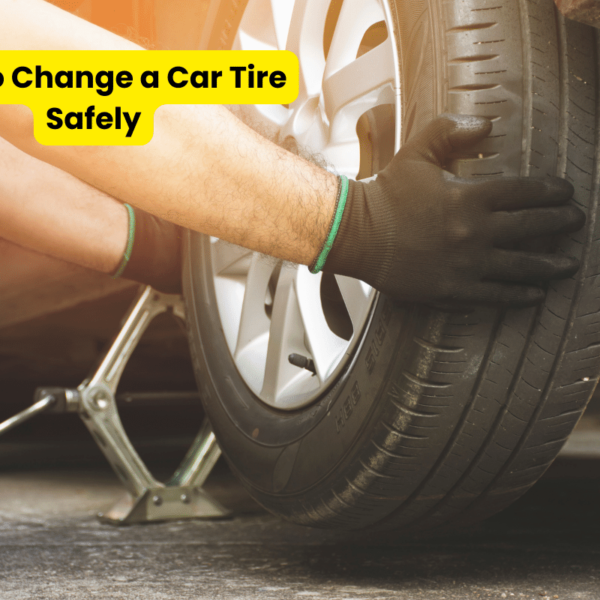
Few skills are really important for you as a driver knowing how to change a tire whether you are facing a sudden flat on a deserted road or helping a stranded friend the ability to swap out a tire can be really life saving for you. So changing your tyre includes several steps from preparing your vehicle and tools to safely lifting and replacing the tire. You need to understand every step for a smooth and successful tyre change

Preparations and Safety Measures

Before attempting to change your tire you need to gather essential tools like spare tire Jack and wheel chocks. When you have these items readily available you can streamline the process easily. Safety should always be your top priority whenever you are changing your tyre roadside. You need to park in a safe location away from traffic, engage the parking brake and use hazard lights to alert other drivers for some emergency.

Finding a Safe Location

You must choose a flat stable surface to change your tire away from the curves or inclines. It is very important for you to avoid soft ground which can compromise stability. You have to position the vehicle where it is easily visible to other drivers especially at night and you can use hazard lights and reflective triangles if important.

Engaging Parking Brake and Emergency Hazard Lights

You must engage the parking brake to prevent the vehicles from rolling while changing your tire. If additional security is needed you can use wheel chocks. If your vehicle is experiencing an issue you need to activate emergency hazard lights to signal other drivers. This will alert them to proceed with caution and also give you better visibility on the roadside.

Removing the Spare Tire and Tools

You can familiarize yourself with the location of the spare tire and Jack in your vehicle. These are especially stored in the trunk or underneath the vehicle. You must ensure that you have all the important tools including a lug wrench to remove the lug nuts and wheel chocks to prevent any vehicle from rolling.

Loosening the Lug Nuts

Before you lift the vehicle you need to use the lug wrench to loosen the lug nuts on the flat tire. You must do this while the tire is still on the ground to prevent any spinning. You need to apply steady pressure and consider using a breaker bar or impact wrench if important.

Positioning the Jack

To locate the designated Jack point you need to consult your vehicle’s manual and typically it is located along the frame or undercarriage of your vehicle. You can position the Jack under the designated Jack point ensuring it makes secure contact with the vehicle’s frame or undercarriage.

Lifting the Vehicle

You need to gradually raise the vehicle using the Jack until the flat tire is completely off the ground. It is vital for you to avoid overextending the drive or place any body parts under the vehicle during lifting before you proceed with the tire change you need to check the vehicle is stable and secure.

Removing the Flat Tire

When the vehicle is lifted you need to remove the loosened lug nuts completely and set them aside in a safe location for later use. You can grip the flat tire firmly and carefully pull it off the wheel hub taking care not to damage the lug studs or even surrounding components

Installing the Spare Tire

You need to position the spare tire on the wheel hub aligning the lug studs with the corresponding holes in the trim. You need to know that the hand threaded lug nuts onto the lug start to secure the spare tip in your place. It is very important for you to ensure that they are tightened evenly and securely.

Tightening the Lug Nuts

You need to begin tightening the lug nuts by hand in a star or crisscross pattern to ensure even pressure distribution is there. Once all the lug nuts are hand tightened you need to use the lug wrench to completely tighten them in the same star pattern. You must apply firm pressure but avoid over torquing

So above all you must know that mastering the tire changing process is a valuable skill for any driver offering you a piece of mind and security in the event of any roadside emergency. By following all the tips here you can confidently tackle flat tires and get back on the road with minimum stress.

Categories: Blog

Whenever you think about vehicle performance factors like engine power and aerodynamics often come to your mind but one of the most important factors that you might ignore is wheel weight. The weight of your vehicle’s wheels might be insignificant as compared to the engine or body but it plays a very important role in performance and safety.  Understanding the weight of the wheel is very important for both everyday drivers and vehicle enthusiasts. It impacts different aspects of your driving like wear and tear fuel efficiency and handling

What is wheel weight?

Wheel weight is all about the total mass of your vehicle’s wheels including the rim tyre and any additional components like balance weights. It is basically measured in kilograms or pounds and can vary greatly depending on different factors like wheel size material and design. Several factors contribute towards the overall weight of your bill including the tire construction and any other factors. Every component add its own mass collectively influencing your total weight

Why wheel weight matters

Wheel weight directly impacts the dynamics of your vehicle like acceleration braking and ability full if your vehicle is heavy it might require more energy to accelerate and accelerate impacting both performance and efficiency. The distribution of the weight across the wheels plays a very important role in handling the performance

Factors affecting wheel weight

The choice of the material for your wheel rim including steel aluminum or carbon filler impacts the weight of the wheel. You need to know that the aluminum alloys are commonly used for their lightweight properties while the steel rims tend to be heavier but offer durability and cost effectiveness.  The size and width of your wheel also influence its weight so larger wheels might way more than just the smaller ones.

Effects of wheel weight on handling

Unsprung weight which includes the weight of your wheels, tires and suspension components directly connected to them has a major impact on handling. So excessive unsprung weight can degrade your ride quality and responsiveness it compromises overall performance. So balancing wheel weight is very important to reduce vibrations and promote stability during driving

Ride quality and comfort

The weight of your wheel influences its ability to absorb the road imperfections and dampen the vibrations so heavier wheels might transmit more rd. Noise and harness to the cabin compromising your ride comfort especially on the rough or uneven surfaces. Effective wheel balancing mitigates vibrations caused due to uneven weight distribution ensuring a seamless and a more comfortable driving experience.

Fuel efficiency

The weight of your vehicle’s wheels basically impacts its fuel efficiency as heavier wheels require a lot more energy to accelerate and even maintain speed. By reducing rotational mass through lightweight wheel options you can improve your fuel economy. So choosing lightweight wheel options like forged aluminum or carbon rims can greatly reduce the unsprung weight and rotational inertia.

Wheel weight and tire wear

The weight and balance of your wheel directly impacts the tire wear patterns and longevity for imbalanced wheels can cause uneven tires while leading to premature treadwear and potential safety hazards. So proper wheel balancing is very important to preserve the tire lifespan and maximize performance. By ensuring that every wheel’s weight is evenly distributed you can reduce unnecessary stress on tires and prolong the service life.

Methods for measuring wheel weight

You can use different methods to measure wheel weight effectively including specialized equipment like dynamic balancing machines and precision scales. No doubt professional balancing is recommended but you can also use diy methods like visual inspection manual balancing techniques or potential imbalances and address them instantly.

Balancing wheel weight

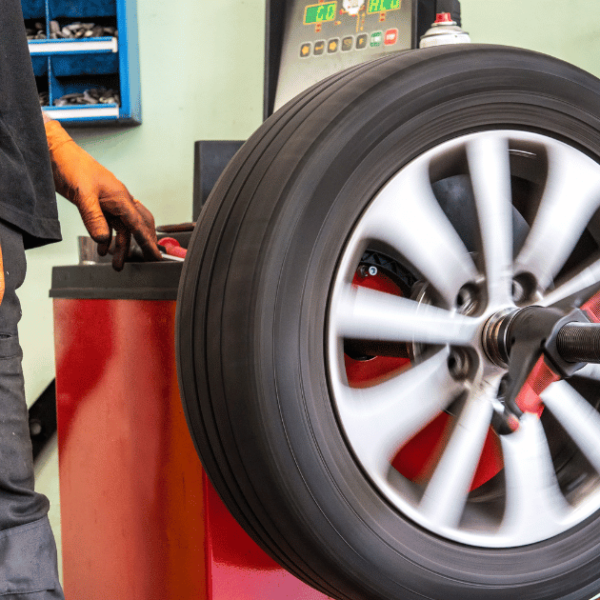
Wheel balancing is a very important maintenance procedure that ensures seamless and stable operation reducing vibrations and maximizing the tyre lifespan.  Properly balanced wheels ensure driving comfort and overall vehicle performance so professional wheel balancing includes mounting the wheel on a dynamic balancing machine which spins the wheel to detect any imbalances

Strategies for managing wheel weight

Going for lightweight wheel options like forged aluminum or carbon fiber rims is one of the most important strategies for managing your wheel weight. The materials offer superior strength to weight ratios reducing unsprung mass and improving your overall vehicle performance. No doubt the lightweight wheels offer plenty of benefits but they often come at a premium price you need to balance your priorities regarding reduction performance enhancement and budget constraints

So understanding the wheel weight is a very important part for maximizing the wheel performance, safety and efficiency.

Categories: Blog

Having the right tools in the home garage is very important for DIY car maintenance and repairs. Whether you are changing your oil, replacing brakes or performing more delicate tasks, having the right tools on hand can save you a lot of time and money while ensuring the job is done correctly .

Basic Hand Tools

  • A well-rounded set of basic hand tools is the foundation of your garage arsenal; a socket is a very important part for dealing with different bolt and nut sizes commonly found in automotive applications. With a range of socket sizes and attachments you can perfectly tighten or loosen the fasteners on different parts of your vehicle.
  • Wrench sets including combination adjustable branches are very important for tasks that require precision tightening or loosening of nuts and bolts; they are available in handy for accessing tight spaces and provide you the torque needed for secure fastening.
  • A set of screwdrivers including Flathead is very important for working with different types of screws in your vehicle whether you’re removing interior panels or tightening electrical connections having the right screwdriver ensures a perfect fit.
  • A  hammer is a multi-purpose tool that can help you tasks like loosening the rusted parts tapping components into place or breaking lose stubborn fasteners

Power Tools

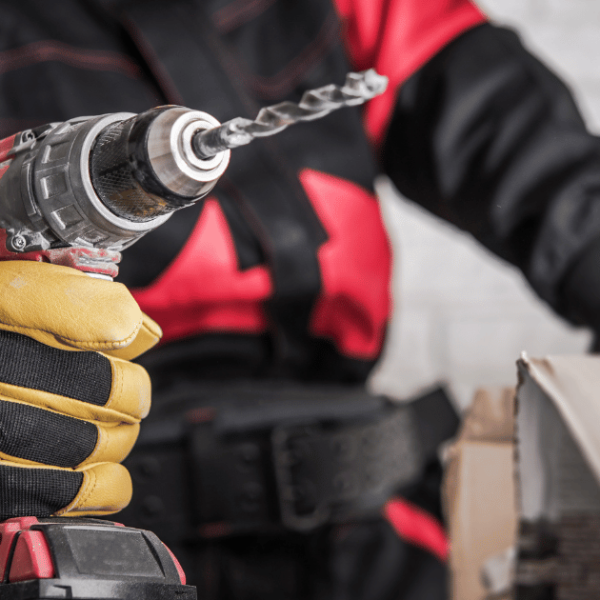
  • A cordless drill is a versatile tool for drilling your holes and driving screws in different materials. With its portability and convenience, it’s invaluable for tasks including assembled parts on mounting brackets.
  • An impact wrench is a powerful tool for fastening and loosening nuts and bolts easily. The high torque output makes it perfect for different tasks like changing your tires, removing suspension or working on engine mounts.
  • An Angle grinder is very important for cutting and grinding metal making it useful for tasks like trimming body panels or shaping the metal brackets.

Specialized Auto Tools

  • A Jack and Jack stands are very important for lifting your vehicle safely during tire changes. They can provide you stability and support ensuring that you can work underneath your vehicle with confidence.
  • Or torque wrench is very important for tightening bolts to your specified torque settings, preventing over tightening or under tightening that could lead to issues like stripped threads or component failure.
  • An oil filter wrench is designed to grip and remove the oil filters easily simplifying the process of changing your vehicle’s oil. With its adjustable design it can accommodate different filter sizes for different vehicles.
  • A tire pressure gauge is very important for checking and maintaining proper tire pressure ensuring optimum handling fuel efficiency and tire longevity. You need to regularly monitor the tire pressure as it helps in preventing uneven wear and improves the safety on the road.

Diagnostic Tools

  • Diagnostic tools like OBD2 scanner allows you to access your vehicle’s onboard diagnostic system, retrieve the engine codes and perform diagnostic tests to identify issues like engine misfires.
  • A multimeter is very important for electrical troubleshooting in your electrical system. Whether you are testing the circuits or diagnosing electrical faults or multimeter provides you accurate readings.
  • A compressor tester is important for checking engine compression which is important for diagnosing issues including worn piston rings or cylinder head gasket leaks.

Safety Equipment

  • Safety glasses are very important for protecting your eyes from debris chemicals or flying objects during automotive repairs. They can provide you with a barrier against potential injuries and clear vision.
  • Mechanical gloves offer you protection for your hands. With durable construction and grippy texture they provide you comfort.
  • A fire extinguisher is a very important device in any garage environment providing your Peace of Mind in case of emergencies.
  • A first aid kit is very important for addressing minor injuries of medical emergencies which might occur during automotive repairs.

Storage and Organization

  • A tool chest or cabinet provides you secure storage for your tools keeping them organized and protected from damage or theft. With multiple drawers and compartments you can categorize and store the tools as per the size of function.
  • A tool organizer or page board offers you efficient storage for hand tools like wrenches or screwdrivers or pillars keeping them within reach and visible at all times.
  • Part bins or trays are perfect for organizing small parts hardware or fasteners preventing them from getting lost or mixed up during automotive repairs.

Maintenance and Cleaning Tools

  • An oil drain pan is very important for collecting oil during oil changes preventing spills or leaks onto your garage floor. With this durable construction and large capacity it provides you with a convenient and a mess free solution for disposing of the used oil.
  • Car wash kit contains important supplies for cleaning your vehicle’s exterior and interior including car shampoo, microfiber towels and wheel cleaner.
  • A vacuum cleaner is important for cleaning the interior upholstery carpets and floor mats in your car, removing dirt debris and other elements for a fresh environment.

Tips for Choosing Quality Tools

  • When it comes to choosing the tools for your home garage you need to invest in reputable brands with no further commitment towards quality and durability.
  • You need to go for tools made from best quality materials like hardened steel or Chrome when denim as they ensure they can withstand the rigors of automotive repair.
  • You must check the warranty coverage and read customer reviews as it can provide you valuable insights into the performance and reliability of the tools.

 In short having the right tools in your home garage is very important for dealing DIY car maintenance and repairs confidence. From basic hand tools to specialized auto tools and diagnostic equipment, a well equipped garage allows you to perform a huge range of tasks with precision. By investing in good quality tools and maintaining proper organization you can create a productive and enjoyable workspace that improves your automotive repair capabilities and saves you a lot of time and money in the long run.

Categories: Blog

Air powered garage tools play a very important role in your automotive workshops offering your efficiency power and versatility in different tasks. These tools driven by compressed air become indispensable for mechanics and DIY enthusiasts like you because of their plenty of advantages over electric alternatives. In this guide you can check out the definition advantages and types.

What are Air-Powered Garage Tools?

Air powered garage tools are also known as pneumatic tools they use compressed air to generate mechanical power for performing different tasks. You need to know that these tools include a huge range of equipment including impact ranges, nail guns, Drills , Sanders grinders and a lot more. The operation relies on pneumatic energy making them suitable for heavy duty applications in automotive repair construction and manufacturing industries.

Advantages of Air-Powered Garage Tools

You must know that the tools boast higher torque and power as compared to other electronic counterparts making them perfect for heavy duty tasks like removing lug nuts, all bolts. The system allows for consistent power delivery ensuring efficient performance under demanding conditions full

  • Despite the strong performance these tools are lightweight and compact making them perfect to handle. the feature reduces user fatigue and allows perfect control
  • The air powered tools offer you cost advantages in terms of both upfront investment and long term maintenance. They generally have low initial expenses as compared to other electronic tools and the simple design results in fewer components susceptible to wear and tear
  • With a huge range of tools available and interchangeable attachments for different tasks the air powered tools offer amazing mortality in automotive workshops
  • The air power tools are known for quick operation allowing for quick completion of tasks as compared to electric tools unlike battery powered alternatives these tools eliminate downtime linked to its recharging ensuring continuous productivity in the workshop.
  • All thanks to the simple design and strong construction air power tools offer you amazing reliability in operation they provide you consistent power output without the risk of overheating or motor burnout ensuring uninterrupted performance even during prolonged use.

Types of Air-Powered Garage Tools and Their Advantages

  • Air impact wrenches are amazing for tire changes and heavy duty fastening tasks and automotive workshops. The high torque power output and rapid operation make them essential tools for efficient effortless lug nut removal and tightening
  • Air ratchets offer quick and efficient tightening and loosening of fasteners especially in confined spaces. The compact design and performance are really important for assembly and disassembly tasks in automotive repair.
  • Air drills provide you perfect drilling capabilities with variable speeds allowing you to bore holes in different sizes in different materials. The lightweight design and ergonomic features improve control and accuracy making them indispensable for drilling tasks.
  • Air grinders offer you powerful grinding and cutting capabilities allowing you to remove the material quickly and effectively. From smoothening wells to shaping material components these versatile tools are important for different metalworking applications in the automotive workshops.

Considerations When Using Air-Powered Tools

You need to choose the right air compressor size for ensuring optimum performance for the tools. You need to match the tool requirements to the compressor capacity as this will prevent issues like insufficient air flow or pressure resulting in consistent efficient operation.

You must know that regular maintenance is very important for prolonging the lifespan and ensuring the reliable operation of air power tools. This includes routine lubrication of moving parts pro cleaning to remove the debris and contaminants and periodic inspection for wear and tear.

Safety should be prioritized when you are using air power tools to prevent accidents and injuries in the workshop. You need to wear appropriate personal protective equipment like your protection and also align to proper handling techniques as it will help you reduce the risk of accidents and also ensures a safe working environment for you and your team.

Tips for Choosing the Right Air-Powered Tools

Before you buy the air power tools it is very important for you to understand the specific tasks performed in your garage to determine the necessary equipment. Identifying most frequently encountered applications is important to prioritize tool selection.

You need to invest in reputable brands for durability and reliability. Quality construction, superior materials and rigorous testing standards contribute towards the reputation of trusted brands.

When choosing air power tools, compatibility with your existing air compressor is very important to ensure seamless integration and optimum performance.

Comparison with Electric Tools

No doubt both air powered and electric tools have their own pros and cons but air power tools have offered several advantages in terms of power cost, maintenance and efficiency. Unlike electric tools these tools deliver better power output making them unsuitable for heavy duty applications in automotive workshops. Furthermore air power tools generally have lower upfront expenses and maintenance requirements which contributes towards the cost effectiveness over the long term.

Maintenance Tips for Air-Powered Tools

You need to know that regular cleaning of air power tools helps you prevent the buildup of debris and contaminants ensuring optimum performance and longevity. By using compressed air or suitable cleaning solution you can remove the dirt and grime from tool surfaces stop

Lubricating moving parts is very important for reducing friction and wear in air power tools prolonging the lifespan and ensuring smooth operation.

Periodic inspection of air power tools allows you to identify and protect it from environmental factors and physical damage. Storing tools in a clean dry environment away from moisture and extreme temperature prevents rust and corrosion ensuring that they remain in optimum condition between the users. You can use dedicated tool storage solutions like tool chests cabinets or racks as this will help you organize equipment effectively and reduce the risk of damage.

So you need to know that air powered garage tools play a very important role in automotive workshops offering you unparalleled power efficiency and versatility. From impact wrenches and grinders these tools allow you to perform a wide range of tasks with precision.

Categories: Blog

Bicycles are way more than just a mode of transportation or a means of recreation, they are your companions on journey . You need to know that bicycles are also your fitness partners and environmentally friendly alternatives but just like any other mechanical device bikes also require regular maintenance to perform optimally and last longer. In this guide you can check out the importance of bike servicing and maintenance and also understand everything about bike servicing versus bike maintenance.

What is Bike Maintenance?

When it comes to bike maintenance you need to know that it includes a range of tasks which are aimed at preserving the condition and functionality of your bicycle. From routine cleaning and lubrication to periodic inspections and adjustments, maintenance ensures that all the components of your bike operate smoothly and effectively. Furthermore, you need to know that routine maintenance tasks include cleaning and inspecting different bike components. It will help you prevent wear and tear and also address any potential issues before they truly escalate.

Importance of Bike Maintenance

  • You need to know that a well-maintained bike is pretty safe to ride as it reduces the risk of mechanical failures that could lead to accidental injuries.
  • A perfectly maintained bike performs better providing you smooth rides and more responsive handling so regular maintenance is very important for you to optimize gear shifting braking efficiency and overall performance
  • It is very important for you to invest time and effort in regular maintenance as it can save you a lot of money in the long run. It can help you prevent costly repairs or component replacements by addressing minor issues early in time you can avoid more significant problems in the future
  • Regular maintenance extends the lifespan of your bike components. Maintenance can help you delay the need for replacement and also ensure that your bike remains functional for several years to come.

Routine Bike Maintenance Tasks

Cleaning and degreasing drivetrain components

You need to remove dirt, grime and old lubricant from the chain cassette and derailers using a degreaser and a brush. Now you must rinse thoroughly with water and dry the components before you apply the new lubricant.

Checking tire pressure and condition

Besides cleaning you also need to check your tire pressure. You can use a tire pressure gauge to check the air pressure in both the tires ensuring that they are inflated to recommended pounds per square inch. You must inspect the tires for any sign of wear and tear like cut bulges or exceeded treadwear and replace if important.

Inspecting brakes, cables, and shifters 

You need to check the brake pads for wear and tear. If needed, you must adjust or replace them. Additionally, it is very important for you to inspect your brake cables for corrosion and lubricate them if it is really important. You must test the shifting performance of your derailers and adjust the cable tension and index them whenever needed. 

Lubricating moving parts

You Must apply lubricant to key moving parts including the chain brake pivots cables and the derailers. To prevent attracting dirt and debris you must wipe off excessive lubricant.

What is Bike Servicing?

You need to know that bike servicing is a comprehensive process conducted by professional mechanics to inspect, diagnose and optimize different components of your bike cycle. Unlike routine maintenance that focuses on basic tasks like cleaning, lubrication and minor adjustments, services includes A thorough examination of every part to ensure proper functionality, performance and safety. You can think about it as a full health checkup for your bike. Here the skilled experts will perfectly understand and address any issues to keep your ride running smoothly.

Importance of bike servicing

  • You need to know that regular use of bikes leads to natural wear and tear of different components like brakes and suspension. With time the components might degrade, impacting your performance and safety. Professional servicing mechanics can help you identify the worn-out parts and replace them before they can even compromise the integrity of your bike.
  • Not all the bike problems are immediately apparent. You might check out some issues like misaligned components, worn bearings or internal damage as they might just go unnoticed without a thorough inspection. When you go for a proper servicing, the mechanics can easily rectify and diagnose those hidden issues preventing potential breakdowns or accidents in future
  • The best part about bike servicing is that a well serviced bike performs better. Adjustments which are made to your drivetrain brake suspension and other components improves efficiency, responsiveness and overall ride quality. Whether you are tackling challenging terrains or just cruising through the city streets are perfectly serviced bike improves the riding experience
  • Perhaps the most critical part of bike servicing is safety faulty brakes or burnout tires can pose various risks to the riders. By conducting comprehensive inspection and adjustments professional servicing will ensure that all your components are in top condition. It helps to reduce the likelihood of accidents or mechanical failures.

Benefits of professional servicing

  • Professional mechanics have all the knowledge, skills and experience to identify and address a huge range of bike related issues effectively. The experts can help you understand the details of different components and can provide you tailored solutions based on your bikes model make and usage.
  • Professional servicing of your bike generally requires specialized tools for tasks like wheel drawing bearing adjustment and hydraulic brake b bleeding. Professional workshops are equipped with all the tools to ensure perfect and effective maintenance which you cannot achieve with DIY methods.
  • When your bike is under warranty servicing by an authorized dealer or mechanic might be important to maintain warranty coverage. The professional service ensures compliance with the manufacturer guidelines. It helps you preserve your warranty rights and also protects your investment to a great extent.

Components checked during your bike servicing

  • During professional bike servicing the mechanics will inspect different components. They will check out the Dr. Terrain components like the chain chainrings and derailers. The experts will check for where to measure chain stretch and adjust the shifting for smooth operation.
  • Experts will also check out the brake pads, rotors and cables for contamination proper alignment. The hydraulic brakes wired bleeding to remove air bubbles and restore performance.
  • The mechanics will throw the wheels to ensure that they spin straight and tension the spokes to maintain your strength and stability. They might even check the hub bearings and adjust it if needed
  • During a professional bike servicing forks and shocks are also inspected for leaks adjusted for proper sag and rebound and serviced whenever needed. Suspension linkage and pivot bearings might also be checked for proper wear and play.

When to Perform Maintenance vs. Servicing:

Determining the right time for routine maintenance tasks versus professional servicing of your bicycle depends on different factors.

  • The mileage your bike accumulates serves as a key indicator for when maintenance or servicing is warranted. High mileage bikes logging considerable distances with time might necessitate more frequent attention to mitigate wear and tear. With every pedal stroke different parts of your bike endures stress and strain gradually wearing it down and potentially compromising performance. So regular servicing becomes very important to address the accumulated effects.
  • The environment in which you traverse profoundly influences the rate at which your bike’s components degrade. Riding in harsh conditions like muddy trails or salty coastal regions accelerates the wear and tear demanding more frequent servicing to uphold optimum performance.
  • Your bike communicates its maintenance requirements through different signs of wear and tear. It serves like red flags warranting attention for unusual noises like grinding clicking or squeaking often indicate underlying issues that merit investigation. At the same time if you notice a decline in performance like sluggish shifting, reduced braking efficiency or diminished suspension responsiveness it is a clear indication that your bike requires instant attention. Furthermore visible damage bent components or frayed cables highlight the urgency for professional servicing to address the major problems comprehensively. No doubt routine maintenance might suffice for minor issues including minor adjustments to basic cleaning. You need to enlist professional expertise for thorough inspection.  

So, when it comes to determining whether bike servicing or bike maintenance is your best bet.  You need to consider different factors and you must connect with the right professionals at the right time.

Categories: Blog

Assessing the tread depth to ensure it is at the standard minimum depth,by providing the tyre pressure is within the manufacturer’s specifications,

Examining the state of everything.

Use a reliable and precise tyre pressure gauge to check tyres once a month and before any long trip. Tyre pressure should always be checked when they are “cool.” If tyres have been moved for less than two miles at slower speeds or idle for at least two hours, they are cold.

While inspecting the tread depth and tyre pressure, look for any cuts or bulges that should be evaluated by a specialist if identified. A bulging in a wheel indicates internal structural problems, necessitating a replacement. If you discover any wounds that are deep enough to expose the tire’s internal structure, the tyre also has to be changed.

The significance of measuring car tyre tread depth

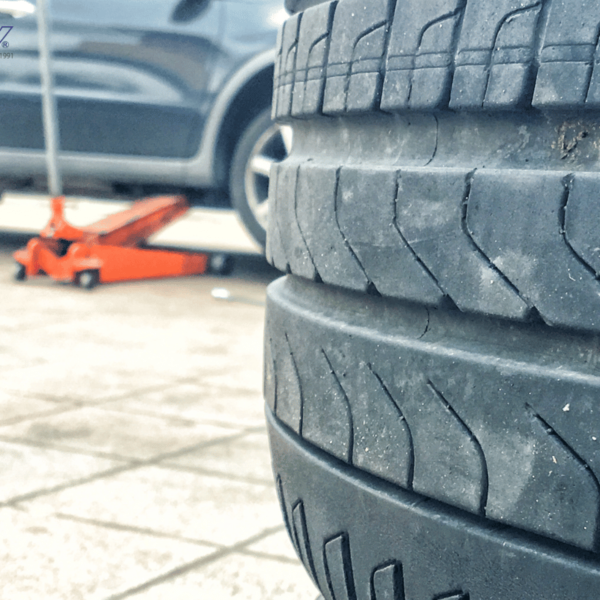
Checking the readings at least once per month and before long trips are crucial because if tyre tread depth falls under 3mm, the ability to grasp the road is lost and stopping distances substantially increase.Travelling with worn tyres poses a severe risk to one’s safety and can also be expensive.If a tyre falls below the permissible limit, you risk receiving a fine and three licence points for each offending tyre.

It is advised to change the tyres before the 1.6mm restriction is reached to increase the vehicle’s safety. Many automakers recommend changing the tyres whenever they come 3mm.The current rule mandates that the tread be a minimum of 1mm throughout the central three-quarters of the wheel and around its whole circumference for any vehicle weighing more than 3.5 tonnes.

The minimum tread requirement for motorcycles with engines larger than 50cc is 1mm throughout three-quarters of the tread pattern’s width and a noticeable tread on the final quarter. Motorcycles under 50cc must display each groove from the original tyre design.

How to gauge the depth of a tire’s tread:

To determine the degree of your tread depth, you can visually inspect the grip wear indicators. These warning signs are little raised bumps at the base of your tyre’s grooves. You should get your tyres evaluated and replaced if the tread rubber surface is even with these elevated patches, indicating that the tread depth is getting close to the legal limit. Although uncomplicated, you are employing a wheel tread thickness gauge will result in a more precise measurement. The tread depth gauge’s measuring probe should be extended to the extent it will go.

Ensure the tyre wear indicators and any raised features of the tyre design are out of the way before inserting the inquiry into the wheel groove, on the base of the gauge, and pressing down.

Verify the measurement is more significant than 1.6mm. If you’re using an analogue gauge, a scale will display this. If it’s digital, a screen will show the reading.

Measurements must be made across the central three-quarters of the tyre’s width and around the entire circumference of the tyre.

On each tyre, repeat the procedure.

There are several quick and simple ways to determine a tyre’s tread depth, and using a penny, quarter, tire depth measure, or even an identifier built into your tyre’s tread can be helpful.

Tyre tread depth should be checked every 3,000 miles (5,000 km) or when it reaches 4/32 inches, according to a reputable tyre company. Replace tyres if the tread depth gauge shows 2/32 inches or less.

Tyre wear measurement with the penny test

Lincoln’s head should be facing you as you place the coin upside down into your tyre’s tread groove. It’s time to change tyres if you can see the entire head and your tire sidewall is much less than 2/32 inches.

Tyre wear measurement quarter test

The quarter test is another simple coin test for determining tread depth. A quarter should fit into the tread groove. You still have at minimum 4/32 of an inch of tread.

Take a look at the tyre tread wear indicator

 Another way to check the tread on tyres is with the tyre tread wear indicator. Less than one inch (2/32 of an inch) from the bottom of the tire groove is where you may discover the tread wear indicator. The tyre must be replaced when the tread reaches this amount of wear.

Using a tyre depth gauge to measure

Use a tread depth gauge as a different approach to determine how much tread is still on your tyre. Some gauges feature an expanding section that looks like a needle and measures the tyre pressure.

Measurements must be made all around the tyre because tyres wear unevenly.

When using a gauge to measure the tread depth on a tyre, stretch the measuring probe as far as it can go. Ensure the tyre wear indicators and any raised tread design features are out of the way before inserting the probing into the tread groove.

Verify the measurement is more significant than 1.6mm.

Categories: Blog

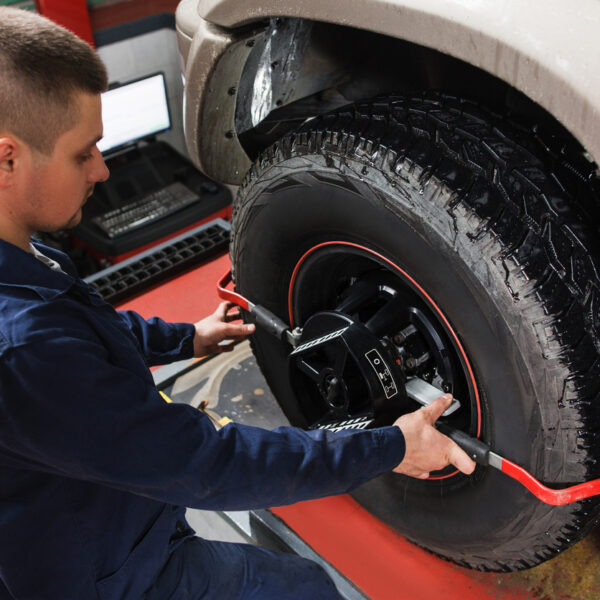
Wheel alignment is the process of adjusting the angles of the wheels so that they are set to the manufacturer’s specifications. This ensures that your vehicle can maintain a straight and stable ride and also helps to prevent tire wear.

A technician can do a wheel alignment at a shop, or you can do it yourself if you have access to an alignment kit or an alignment machine.

The alignment of your car’s wheels is a key factor in how well your vehicle handles. A misaligned car can be hazardous on the road, as it will not handle as well and cause an accident.

A wheel alignment is a procedure that adjusts the angles of the wheels to ensure that they are set to the manufacturer’s specifications. This ensures that your tires wear evenly and you get the maximum performance out of them.

Wheel alignment is important because it ensures safety on the road, helps reduce tire wear and improves performance.

Buy – Alignment Turn Plates

Types of Wheel Alignments

Wheel alignments are a critical component of vehicle safety and performance. A wheel alignment is a process in which the angles of the wheels are adjusted to ensure that they are set to the manufacturer’s specifications. This process is done by adjusting the camber, caster, and toe angles.

The two most common types of wheel alignments are:

  • The front wheel must be aligned with the rear wheel for a 4-wheel alignment.
  • The front and rear wheels need to be aligned for a 4-wheel alignment.

The camber is checked and adjusted if necessary for a front wheel alignment, while the caster is also checked and adjusted if needed. The toe is checked and adjusted if necessary for a rear wheel alignment.

How to Choose the Best Car Alignment Service in Your Area

Many auto alignment shops near me offer this service. But only some of them are as good as they claim to be. It would be best if you researched before choosing the best auto alignment shop in your area.

The following points will help you find the best auto alignment shop in your area:

– Experience: The most experienced auto alignment shops have been in business for over the years, and they have a proven track record and a lot of satisfied customers.

– Equipment: The best auto body shops will have state-of-the-art equipment that is certified and meets industry standards. They also use high-quality materials and parts for all their jobs.

– Staff: The best car alignment service providers will employ only well-qualified, experienced, and friendly staffs who know how to deal with customers professionally.

Why is Regular Wheel Alignment Important?

Regular wheel alignment is important because it can help maintain your tires’ tread life. Tires with a properly aligned wheel will last longer because the tread will wear evenly.

A common misconception is that rotating your tires is enough to maintain the tread, and it isn’t. Rotating the tires means taking them off and on the same axle, not balancing them across all four axles. The reason for rotating your tires is to prevent uneven wear on the tread, not to maintain it. If you don’t align your tires regularly, you will see your tread wear unevenly and won’t get the full life out of your tires.

Regular wheel alignment is important for several reasons. One of the most important reasons is that it helps your tires last longer. If you have a misaligned vehicle, you will notice that your tires will wear unevenly and prematurely, which can lead to an expensive replacement shortly.

Categories: Blog

Having a tyre punctured while driving may be an aggravating and annoying experience. This is especially true with tubeless tyres, as fixing them necessitates the use of specialized tools and procedures. However, with the correct information and preparation, you can quickly fix your tubeless tyre puncture yourself, saving you money on replacement tyres. This article will walk you through the steps of repairing a tubeless tyre puncture so you can get back on the road as soon as possible.

Understanding Tubeless Tire Punctures

There are two predominant sorts of tubeless tire punctures: punctures of the tread and punctures of the sidewall. In particular, a puncture of the tread arises when a snappy article penetrates the outer surface of the tire’s treading; a puncture of the sidewall is a result of an object hitting the side of the tire, leading to a gap in the rubber. Such punctures can be brought about by a variety of causes, from debris lying on the pavement to potholes  to even some manufacturing defaults. 

Other common culprits include tires that are under-inflated, overloaded automobiles, as well as travelling on rough surfaces with the wrong tires. It is therefore, prudent to inspect your tires regularly for any warning indications of wear and tear, as well as drive under caution to be on the lookout for potential danger on the road which could harm your tires. Proper maintenance and prudence can go a long way towards averting tubeless punctures and ensuring a safe journey.

Safety Precautions Before You Begin

Prior to attempting to mend a tubeless tyre puncture, it is of the utmost importance to prepare your workspace and gather the necessary safety paraphernalia. Commence by selecting a luminous and level area to operate on the motor vehicle. A garage or driveway would be suitable selections as they provide adequate room for you to move around. Subsequently, guarantee that you have all the required equipment and components at your disposal. This incorporates a tyre pressure gauge, pliers, valve core tool, patch kit, glue solution and a movable air compressor. It is also worth bearing in mind that you should don protective gloves while dealing with these tools to elude any wounds.

Apart from suitable apparatus, safety should be of primordial importance when fixing a tubeless tyre puncture. Ensure that the vehicle’s engine is switched off before beginning any repairs and activate the parking brake for extra steadiness. Additionally, apply wheel chocks or blocks at the back of the wheels of your car in order to restrict it from moving during the mending procedure. 

It is essential to follow these steps in order to establish an atmosphere capable of providing protected and effective repairs for your tubeless tyres. By having everything organized ahead of time and taking the necessary precautions, you can save time and effort in mending your punctured tyre while also ensuring safety measures remain uncompromised.

Buy Hub Cap Puller

Gathering the Necessary Tools and Materials

Before you begin fixing a tubeless tire puncture, make sure you have all of the essential equipment and supplies. Tubeless tire repair requires specialist tools, such as a tire repair kit including a reaming tool and an insertion tool, as well as a pair of pliers. Additionally, have additional components like tire plugs or patches on available, as well as a lubricant, to help in the repair procedure. It’s also a good idea to have a pressure gauge on hand to verify the tire’s inflation level when the repair is finished. Being well-prepared with these necessary things will help to speed up the repair procedure and boost the chance of a good conclusion.

Locating the Puncture

Locating the breach in your tubeless tire is an important part of the remedial process. First, you should survey the tire’s external surface and scan for any extraneous elements such as nails or screws that may have triggered the puncture. If nothing is identifiable right away, you can utilise inspection practices like perceiving a hissing noise (signifying air dispersal) or feeling for atmospheric motion on your hand as you pass it close to the tire’s exterior. To accurately determine the breach’s size and position, you can put a soap solution over the tire’s surface. This will create bubbles at where the breach is at, making it simpler to detect. When you’ve pinpointed its area, you can move ahead with the suitable fix, whether it’s through using a tire plug or patch.

Step-by-Step Repair Process

Three crucial steps make up the step-by-step procedure for patching a tubeless tire puncture:

  • Eliminating the tire from the wheel: To begin, use a jack to elevate the car and secure it with stands. Then, deflate the tire fully by extracting the valve core. Subsequently, take extreme care when trying to remove the tire from the wheel with tire peels or bead separators. Avoid damaging the wheel or tire at all costs.
  • Installing a tire plug or patch: Inspect the puncture point to certify it is spotless and free from debris. Then, employ a reamer from the tire repair set to expand the puncture area marginally. Obtain a tire plug or patch and insert it into the puncture site using an insertion implement, making sure it is securely lodged. Cut off any remaining material, and if using a patch, guarantee it adheres tightly to the interior of the tire.
  • Reinstalling the tire: Prior to fitting the tire back on the wheel, lubricate the bead space with a thin coating to simplify the mounting process. Line up the tire’s beads with the wheel edge and begin to carefully fit the tire onto the wheel using a tire iron or a mounting apparatus. Inflate the tire to the producer’s prescribed pressure using trustworthy pressure gauges. Eventually, put the valve core back in and verify for any air leaks by applying a water-soap combo to the area. If there are no bubbles, the repair is successful, and you can start bolting the tire back onto the carriage, fastening the lug nuts in a crossing pattern.

Using a Tire Repair Kit

A typical tire repair kit is a practical toolkit made to make fixing tubeless tire punctures simple and quick. These kits often comprise a number of crucial elements, such as:

  • Reaming implement: This implement is utilized to clean and get ready the perforation opening, making it primed for the plug or patch.
  • Insertion device: The insertion device aids you in placing the tire plug or patch firmly into the aperture, sealing it properly.
  • Tire plugs or patches: Most kits carry a variety of tire plugs or patches. These are the actual materials applied to secure the puncture.
  • Lubrication: A lubrication is given to ease the process of positioning the tire back onto the wheel by decreasing friction.
  • Valve core extraction tool: This tool allows you to eliminate the valve core to decrease the tire during the repair procedure.
  • Pressure gauge: A pressure gauge helps you make sure the tire is pressurized to the appropriate pressure after the repair is accomplished.
  • Utility knife or scissors: These implements are advantageous for paring extra plug or patch material after insertion.

Step-by-step kit usage guide:

  • Commence by carefully raising the car via using a jack and securing it using jack stands. Take out the wheel corresponding to the punctured tire.
  • Deflate the tire by getting rid of the valve core with the valve core extraction tool.
  • Inspect the tire to determine the location of the puncture. If needed, use investigation techniques like listening for atmosphere escaping or applying a soapy water solution to pinpoint the exact place.
  • With the reaming tool, shave and expand the puncture hole slightly to prep it for the plug or patch.
  • Take a tire plug or patch from the kit and insert it into the puncture using the insertion tool. Guarantee it’s firmly seated and cut any excess material.
  • Spread a thin layer of lubricant on the tire bead region to facilitate reinstallation.
  • Gingerly mount the tire into the wheel, aligning the tire’s bead with the wheel rim.
  • Inflate the tire to the manufacturer’s recommended pressure using the pressure gauge.
  • Reinstall the valve core and check for any leaks by applying a soapy water solution to the fixed area. If there are no bubbles, your repair is effective.
  • Reconnect the tire back onto your automobile, tightening the lug nuts in a crisscross pattern.

To guarantee appropriate use and a secure and reliable repair, always adhere to the detailed instructions included with your tire repair kit.

When to Seek Professional Help 

Recognizing the importance of both your safety and the longevity of your car’s tires, it is crucial to be aware of when to look for professional aid. Although a bipartisan majority of tubeless tire punctures can be mended without outside help, there are some cases that necessitate a certified technician. This includes cases with large punctures, punctures on the sidewall of the tire, or if the interior of the tire has suffered significant degradation. Furthermore, if the necessary equipment, knowledge, and assurance to do the mend is not available, it would be wisest to entrust the recovery in the hands of a pro. Hence, to protect your car from harm and maintain its performance on the road, stay mindful of when a do-it-yourself solution won’t suffice and seek professional help.

Conclusion

To sum up, comprehending the various types of punctures and recognizing how to fix a tubeless tire puncture is a beneficial ability that can guarantee your safety, as well as conserve you both time and money. Through this thorough guide, each step has been elucidated in meticulousness, ranging from underscoring the multiple forms of holes to adeptly undertaking the patch up method. Safety should always be of paramount importance, have the requisite apparatus and components accessible, and remember, if things do not seem right, reach out to the pros. You can now have faith in your empowerment to manage the majority of tubeless tire punctures by bearing in mind what has been learned from this guide combined with a bit of practice. Now you can glide over the road with a full assurance of safety.

Categories: Blog

Assume you’re driving down the road on a sunny day when you hear a loud thump followed by an unsteady sensation in your automobile. The all-too-common flat tire. While we’d all like to avoid it, understanding how to replace a car tire is a vital skill that every motorist should have. Fortunately, changing a tire isn’t as difficult as it may appear, and with a few easy suggestions and some basic equipment, you’ll be back on the road in no time.

This article will lead you through the process of replacing an automobile tire step by step. Whether you’re a seasoned or inexperienced driver, these pointers will help you face this common road hazard with confidence.

Safety First

Before you even consider replacing a tire, be sure you and others are safe. What you should do is as follows:

a. Pull over to a safe location: If you discover a flat tire, slow down gently and choose a level, well-lit site away from traffic. Stopping on a curve or in a blind zone should be avoided.

b. Turn on your hazard lights: Turn on your hazard lights to inform other drivers that you have a problem.

c. Engage the parking brake: Engage the parking brake to keep your vehicle motionless.

d. Gather your materials: Take your spare tire, jack, lug wrench, and any other equipment you need from the trunk or designated storage place of your car.

Locate the Spare Tire and Jack

A spare tire and a jack are usually housed in the trunk or beneath the rear cargo compartment of most automobiles. Consult your owner’s handbook for precise locations, since they vary by make and model. Take them out and lay them beside the flat tire after you’ve located them.

Loosen the Lug Nuts

While the automobile is still on the ground, loosen the lug nuts slightly before raising it with the jack. Use the lug wrench to turn each lug nut counterclockwise just a quarter or half a turn. This will make it easier to fully remove them later when the car is elevated.

Position the Jack

Proper positioning of the jack is crucial to ensure your safety and prevent damage to the vehicle. Consult your owner’s manual for the correct lifting points on your car. Generally, these points are marked with a notch or symbol. Place the jack in the correct position, ensuring it makes secure contact with the car’s frame.

Lift the Car

Using the jack handle, begin raising the car slowly. Keep a close eye on the car as it lifts to ensure it stays level and stable. Continue raising the car until the flat tire is approximately six inches off the ground. Do not put any part of your body under the car while lifting it.

Remove the Lug Nuts and Flat Tire

Now that the car is safely elevated, you can fully remove the loosened lug nuts with the lug wrench. Be sure to keep them in a safe place, as you’ll need them to secure the spare tire later. Once the lug nuts are off, carefully slide the flat tire out from the wheel hub and set it aside.

Install the Spare Tire

Position the spare tire onto the wheel hub and align the holes in the rim with the wheel bolts. Push the spare tire onto the hub as far as it will go. Then, thread the lug nuts onto the wheel bolts by hand. This ensures that you don’t cross-thread them, which could cause damage.

Hand-Tighten the Lug Nuts

Use your fingers to tighten the lug nuts as much as you can while the car is still suspended in the air. This will help center the spare tire on the hub.

Lower the Car

Using the jack, carefully lower the car until it rests on the ground. Make sure it’s stable before proceeding.

Tighten the Lug Nuts

Now that the car is on the ground, use the lug wrench to securely tighten the lug nuts. Begin by tightening one lug nut in a star or crisscross design. This keeps the spare tire evenly situated on the wheel hub. Tighten each lug nut as much as possible, but be careful not to overtighten, since this might deform the brake rotor or damage the wheel studs.

Double-Check and Replace the Tools

Verify that all of the lug nuts are properly tightened by walking around the wheel. Then, return your flat tire, jack, lug wrench, and other items to their proper places in the car.

Check the Spare Tire Pressure

Before you start driving, make sure the spare tire is filled to the correct pressure. Usually, the recommended pressure is stated in the owner’s handbook for your automobile or on the sidewall of the tire. An under-inflated spare tire might endanger the stability and safety of your car.

Explore – Tyre Lever From Truck

Conclusion

Changing a car tire at first could seem intimidating, but with the correct knowledge and some experience, it becomes a straightforward process. Always put safety first by coming to a halt in a well-lit place, obeying this advice, and putting on your warning lights.

By becoming an expert at changing a car tire, you can avoid lengthy waits for roadside assistance and make sure you’re prepared to handle unexpected flat tires with confidence. It’s a skill that every driver should possess, and with five simple tips, you’re well on your way to mastering it.