
Category: Blog

Categories: Blog

A feeling of unrestricted freedom is evoked by travelling on wide roads, whether it’s for a lengthy adventure or your everyday commute. Your car’s tyres are a staunch partner on your journey and are necessary for the trip. Even the most gorgeous drives might be temporarily derailed by the inevitable occurrence of flats and punctures. This is where the inventiveness of tubeless tyre technology comes into play, revolutionising how we overcome these obstacles. 

A tubeless tyre repair kit turns out to be a crucial tool since it gives drivers the opportunity to respond to unforeseen punctures quickly and confidently. In this thorough instruction, we’ll show you how to use a tubeless tyre repair kit with finesse, preserving your ability to fix tyres and enabling you to continue travelling without interruption.

Step 1: Gather the Essential Tools

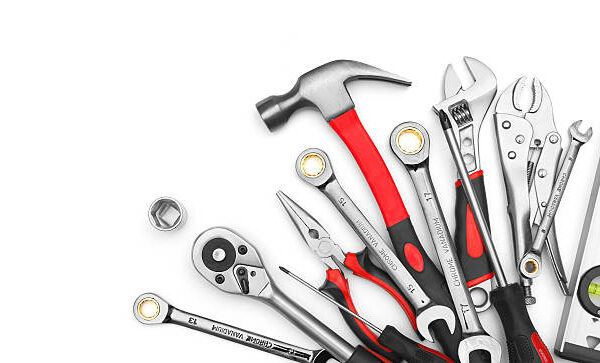
Make sure you have the proper tools before beginning the complex dance of tubeless tyre repair. The following elements make up a full tubeless tyre repair kit:

Tyre Plugs: The inconspicuous plugs, which are frequently crafted from resilient rubber, have the vital responsibility of blocking the puncture’s escape path. They are strategically positioned inside the tyre to create an airtight seal that restores the tire’s integrity.

Reaming Tool: The reaming tool is a preparation virtuoso and is everything from ordinary. Its dual function entails clearing the puncture site of debris and creating the best possible foundation for the next stage.

Needle Tool: The needle tool distinguishes itself as a precise player by navigating the fineness of plug insertion. Its sophisticated shape enables deliberate manipulation and guarantees precise insertion into the puncture.

Plug Insertion Tool: The insertion tool gracefully advances once the puncture has been primed. The plug’s ergonomic design ensures a regulated approach as it guides the plug’s progressive incorporation into the puncture.

lubrication: The hidden hero that makes moving tools and plugs easier is lubrication. Its careful application to the parts promotes free contact with the tyre, increasing the effectiveness of the repair.

Snips or Razor Blade: As the grand finale approaches, accuracy takes centre stage. Razor blades or seemingly simple snips are used to subtly reduce extra plug material, providing a perfect finish.

Step 2: Pinpointing the Puncture Site

Developing your sleuthing abilities becomes increasingly important as you move along with your tubeless tyre repair trip in order to locate the elusive puncture. Visual inspection becomes your first ally. Look for any oddities on the tire’s surface, such as the glimmer of a screw or the glitter of a nail, which might be clues to the offender. Tactile inquiry reveals secret facts as you move your fingertips down the tread, fingers tuned to the smallest imperfection.

Pay close attention since the sound of escaping air may point you in the direction of the leak. Your search is directed by that soft hiss, like a secret being revealed. And if you can’t find the source, ask the water for help. Map the tire’s surface with a soap-and-water solution and look for bubbles, which will reveal the exact location of the puncture.

Your senses come together in harmony as you search for the invisible. Visual signals leave a trail, touch reveals stories, and sound divulges information. They solve the puncture puzzle together, advancing you towards a successful repair assignment.

Step 3: Puncture’s Pristine Transformation

The delicate craft of making the puncture hole is the focus of this installment of your tyre repair tale. The emphasis is on accuracy as you build the groundwork for a perfect repair, enabling the tyre plug to flawlessly work its sealing magic.

Eviction of Intruders: Pliers take the stage if a foreign trespasser is at the core of the issue. With a delicate grasp, the visitor is driven out, making room for the main event.

Reaming’s Graceful Dance: The multitasking virtuoso reaming tool arrives and performs a graceful dance. It twirls with delicacy as it slowly enters the hole. Its purpose? Refinement and cleaning. The puncture’s edges are softened and gently enlarged with each spin, preparing the way for the plug to enter.

A Textured Prelude: The subtle broadening of the reaming tool is not only functional, but also artistic. This cosy hug transforms into the plug’s ideal stage, a tight fit assuring an impermeable performance.

Canvas of Possibilities: The puncture is turned into a canvas for artistic restoration on the canvas of possibilities. A textured welcome mat is rolled out, invaders are exiled, and edges are smoothed. The tyre plug’s introduction is quickly approaching; it will be a precise and harmonious finale that will perfectly finish the tire’s story.

Step 4: Seamless Plug Integration

Thread and Lubricate: Start by threading the needle tool’s eye with the tyre plug. Apply a small amount of lubrication to the plug and the insertion needle before the performance starts. A smooth interaction between the plug and the puncture is ensured by this delicate treatment that lubricates the surface.

The Elegant Entrance: Introduce the needle tool with the plug to the puncture hole with greased elegance. Patience is a virtue in this case. Push the device gradually while directing the plug’s integration until a little section is resting outside the tyre.

Graceful Exit: The duty of the needle tool on its exit is exactly as delicate as it was on its entry. With the plug securely in place, slowly and carefully remove the tool. The result of your deft manoeuvring is now in sight.

Step 5: Artful Trim

The smooth transition to step five elevates your repair. Use a razor blade or surgeon-like accuracy while snipping. Trim any extra plug material that extends past the surface of the tyre. This careful trimming guarantees a seamless result in which the patch blends seamlessly with the tyre.

Step 6: Airborne Honesty

It’s time to reveal the toughness of your repair masterpiece. Allow the tire’s essence to return by inflating it to the proper pressure. Then your truth serum is a mixture of soapy water. Spray it on the mended area and keep a close eye on it. The appearance of bubbles suggests a persistent leak and serves as a cue to repeat the orchestration.

Your tubeless tyre repair unfolds as an artistic creation with this symphony of accuracy. Every action is like a brushstroke, and every tool is like a note, ending in a restoration masterpiece. The wide road calls, and you’re ready to accept it with assurance since you know that your repair skill equals its limitless opportunities.

Step 7: Onward with Confidence

A new chapter begins when your tubeless tyre repair is finished, with the road calling with fresh confidence. Your tyre, a symbol of your talent, is prepared for the next journey.

Embracing the Road: As you take the wheel again, reflect on your victory against adversity. Smooth travels are in store thanks to your expert repair.

Temporary Solution: Tyre plugs, like first aid from a doctor, are only a temporary solution. Keep an eye out and, if necessary, plan your next move.

Constant Watchfulness: Safe driving requires monitoring the condition of your tyres. Regularly evaluate the success of the repair, and where appropriate, take professional advice into account.

Final Notes

You advance from being a driver to a competent steward of the integrity of your car thanks to your knowledge of the tubeless tyre repair kit. As the conclusion of this manual, it serves as a reminder that each action, each instrument, and each choice are significant. Your attention to detail and delicacy make sure that your journey is uninterrupted and keeps moving smoothly.

By acquiring this talent, you’ve acquired more than just a repair method; you’ve also earned confidence in your ability to handle unforeseen obstacles. So, when the tapestry of the open road unfolds in front of you, keep in mind that your expertise and confidence cannot be compromised. It’s evidence of your readiness for the twists and turns of the road and a perfect synthesis of technological wonders and human creativity. May your journeys be as durable as your tyre repairs as you go, and may the wide road serve as a blank canvas for your undiscovered tales.

Categories: Blog

The buzz of the engine, the feel of the steering wheel, and the miles of travel build a unique link between a car owner and their vehicle. However, several duties that pertain to automobile maintenance and upkeep might still seem mysterious. One of them is the skill of taking off wheel covers, which seems mysterious. 

This thorough guide is intended to demystify the procedure, whether you’re looking to adopt a new style, carry out necessary maintenance, or simply satisfy your curiosity. Once you’ve learned the next few steps, you’ll be able to remove wheel covers with ease, solidifying your position as a genuine expert in your car’s garb. Here is where your quest to master auto maintenance begins; – let’s explore the road ahead.

Step 1: Equipping Yourself with Tools

Wheel cover removal requires the assembling of a small armoury before beginning. Make sure you have the following resources at your disposal before diving into the intricacies:

Flathead screwdriver: A reliable ally for leveraging and prying.

Pry Tool: A unique tool made for delicate separation.

Soft Cloth or Towel: An additional layer of defence for the spotless finish of your wheel.

Flashlight: A torch is a helpful tool for highlighting subtleties.

With this toolbox at your disposal, you can be confident that the removal procedure will go well and may proceed with confidence.

Buy garage tools online at –www.sarveshwari.com

Step 2: Find the Right Spot

Finding the entry point is a vital step in the removal of a wheel cover. The secret to unlocking the wheel cover’s grip is kept in this covert aperture, which is typically placed close to the valve stem where tyre inflation takes place.

This access point is an example of engineering skill that was strategically placed. It’s a link between your curiosity and the mechanics of your automobile, a doorway that begs you to start removing the wheel covers.

This entry point, which was thoughtfully positioned for maximum leverage, demonstrates the careful design that went into your vehicle. You get access to the tactile realm of hands-on auto maintenance when you find it. With this knowledge in hand, you’re ready to go on and continue your exploration, getting one step closer to comprehending the mechanisms at work below the surface.

Step 3: Protect the Wheel

Spare a thought for the health of your wheel as you are ready to start the removal mission. Lay down a soft cloth or towel beneath the wheel that you are about to convert. This clever cushion protects the immaculate finish of your wheel from any unwanted abrasions or scuffs, guaranteeing that its beauty is preserved.

With these procedures in place, you are well-prepared to embark on the skill of removing wheel covers. You are prepared to begin a tactile investigation that will soon make you an expert in this automobile trade since you have the necessary instruments and the proper attitude.

Step 4: Insert the Tool

The following stage, inserting the chosen tool, is beckoning with the entry point revealed and your tools in hand. Using a flathead screwdriver or a specialised pry tool demands dexterity for this delicate operation.

Introduce the tool slowly into the access point in Step 2 to be found. This initial touch serves as the equivalent of a painter’s first stroke, laying the groundwork for the removal procedure. Be careful of how the tool interacts with the edge of the wheel cover as you apply consistent but delicate pressure. You’ll see the gradual relaxing in reaction, indicating that your efforts are bearing fruit.

It’s crucial to keep in mind that certain wheel covers are fastened to many surfaces. Repeat this insertion operation at each given position if your wheel cover reveals such intricacy. Each insertion is a step towards escaping the cover’s grasp, so patience is your ally here.

Step 5: Work Your Way Around

The elegant dance of liberty starts as soon as you insert yourself, setting the wheels in action. Utilising your tool, go around the wheel cover’s perimeter. Your guiding philosophy is to use a measured, steady touch as a reminder that accuracy always wins out over force.

Utilise the tool’s leverage while applying even pressure to progressively detach the cover from the wheel. The cover bows to your direction in what seems like a choreographed duet. Extreme force should be avoided as it might affect the integrity of the cover and the wheel.

You are gradually revealing the hidden link between the cover and the wheel with each movement. Your effort makes sure that the revealing is a musical symphony that culminates in the joyful release of the cover from its bound hug.

Step 6: Inspect for Clips

Your focus must now shift to a minor but significant component of your wheel cover’s slow attempt to escape—the existence of retaining clips. Based on the complex tapestry of your vehicle’s design, these modest elements vary in quantity and location.

Use caution when the wheel cover is partially disengaged. Find these unassuming watchmen, placed to maintain the cover’s connection to the wheel. They serve to guarantee a tight fit, demonstrating the painstaking craftsmanship seen in vehicle engineering.

If you ever come across these clips, keep in mind that they need to be handled more delicately. Your trusty assistant in this endeavour, the pry tool, now functions as a surgical instrument for release. Use its dexterity to pull the clips out of their slots, enabling the wheel cover’s need for freedom to advance unhindered.

Step 7: Complete the Removal

A feeling of expectancy permeates the picture as retaining clips release their grip. The time has come for the great reveal, which will include completely removing the wheel cover. Nevertheless, use cautious. The partially unfastened cover hangs precariously in midair. Avoid letting it touch the ground or any other rough surfaces that can damage its flawless sheen.

You see the results of your labour when the wheel cover is pushed forward. This accomplishment is more than just the physical separation of the cover and wheel; it is a testimonial to your fastidious attention to detail, your patient accuracy, and your recent success at completing this hitherto enigmatic chore. With your wheel cover in hand, the sensation of success and your fresh connection to your vehicle’s internal mechanisms are both palpable.

Step 8: Reinstating the Veil (if Necessary)

The potential of reinstalling the wheel cover waits, should your decision to remove the wheel cover be motivated by maintenance goals or the requirement to reach the lug nuts. Although it seems like a reversal, the procedure necessitates close attention to detail for a smooth result.

Reverse the order of the route you’ve paved. Reinstall the wheel cover first, making sure it blends in nicely with the curves of the wheel. This point is where wheel covers with retaining clips may serve their original duty once again. For a solid fit, it is essential to make sure that these clips are snugly tucked inside of their assigned locations.

Once the cover is in place and the clips are ready, gently push the edge to reassure the connection. It serves as a tactile reminder of the wheel’s connection with the wheel cover, which unites form and function.

Final Thoughts

An overwhelming sense of success overtakes you after the reinstallation is finished. The mystery around removing wheel covers may have once existed, but your exploration has cleared it. You have entered the realm of mastery now that you are equipped with the proper tools and the information shared in this book.

This activity, which was once puzzling, is now a symbol of your expanding knowledge of your vehicle’s complex features. Keep in mind that as you move through these procedures, each spin of the pry tool, each look at the access point, and each removal that is successful adds to your growing skill.

These victories are landmarks on the path to becoming a connoisseur of automobile repair. The threads of mystery and ambiguity start to intertwine with the threads of comprehension and competence in the tapestry of owning and maintaining your automobile. Embrace this transition because it will change you from a driver to an empowered steward of the health of your car.

Categories: Blog

It is crucial to have a dependable and effective car hoist while doing maintenance and repairs on vehicles. An essential piece of equipment that makes it possible to raise automobiles off the ground securely and easily is a car hoist, sometimes referred to as an automotive lift or a vehicle lift. Whether you’re a seasoned DIY enthusiast or a professional mechanic, investing in a high-quality auto hoist is essential for a quick and effective workflow. We will examine the important criteria to take into account while choosing a reliable vehicle hoist in this post.

Weight Limit:

The weight capacity of a vehicle hoist should be one of your main priorities when choosing one. It’s crucial to select a hoist that can securely raise the automobiles you deal with because different hoists are made to manage different weight ranges. Overloading the hoist’s weight capacity increases the risk of accidents and hoist and vehicle damage. Consider the maximum weight of the cars you’ll be lifting as you carefully assess the weight restrictions of the hoist to be sure it can meet your demands.

Lift Height and Clearance: 

A car hoist’s applicability for various types of automobiles is based on the lift height and clearance. Take into account the highest lift height necessary to fit the automobiles you’ll be working on. If you’ll be working with bigger vehicles like trucks or SUVs, this is extremely crucial. Make sure the hoist has adequate clearance to easily access the vehicle’s undercarriage as well. A decent auto hoist should provide you with enough room to work unrestrictedly on maintenance, repair, and inspection jobs.

Hoist Type:

Car hoists exist in a variety of forms, each created for a particular function and taking into account available space. The most prevalent forms are mobile column lifts, scissor lifts, two-post lifts, and four-post lifts. In automobile workshops, two-post lifts are frequently employed and are excellent for gaining access to the underside. Increased stability and suitability for storage are both features of four-post lifts. Because of their diminutive size, scissor lifts are frequently employed in cramped places. Due to their mobility inside the workshop, mobile column lifts provide flexibility. Take into account the sort of hoist that best satisfies your demands in terms of available space, adaptability, and particular user requirements.

Safety features: 

When using auto hoists, safety should always come first. To ensure the safety of the user and the vehicle, look for hoists that have strong safety measures. Mechanical locks, automated safety measures, and solid construction are a few crucial safety aspects to take into consideration. Mechanical locks are essential for locking the hoist in place at various heights, adding stability while working. Automatic safety devices can assist avoid accidents and offer peace of mind, such as safety locks and alarms. Make that the hoist is constructed using high-quality materials and adheres to applicable safety regulations.

Durability and Construction: 

A decent vehicle hoist must be constructed to endure the stresses of frequent operation. Search for hoists made of sturdy materials, such as heavy-duty steel. Pay close attention to the strength of the reinforcements, welds, and structure as a whole. Investing in a hoist with superior construction increases its life and reduces the possibility of malfunctions or breakdowns while in use.

Use and operation simplicities:

An excellent auto hoist needs to be simple to use and run. Intuitive controls, easy lifting and lowering mechanisms, and easy access to the vehicle’s underside are all desirable qualities. Think about hoists that include features like lifting pads or changeable arm widths to fit various vehicle sizes and layouts. In order to save time and effort, seek hoists that can be put up quickly and effectively.

Considerations for Installation and Space: 

Before investing in a vehicle hoist, evaluate the installation needs and available space in your garage or workshop. The installation requirements and footprint sizes for various hoists vary. Make sure you have enough room to fit the hoist in and that you follow any installation instructions that may be necessary. To guarantee a correct fit and safe installation, take into account elements like ceiling height, floor strength, and electrical connections.

A safe and effective environment for vehicle maintenance and repair depends on choosing the correct car hoist. When making a selection, take into account elements like weight capacity, lift height and clearance, hoist type, safety features, and durability. You can increase productivity, improve workflow, and protect the security of both you and the vehicles you work on by making an investment in a high-quality auto hoist that matches your unique demands.

Categories: Blog

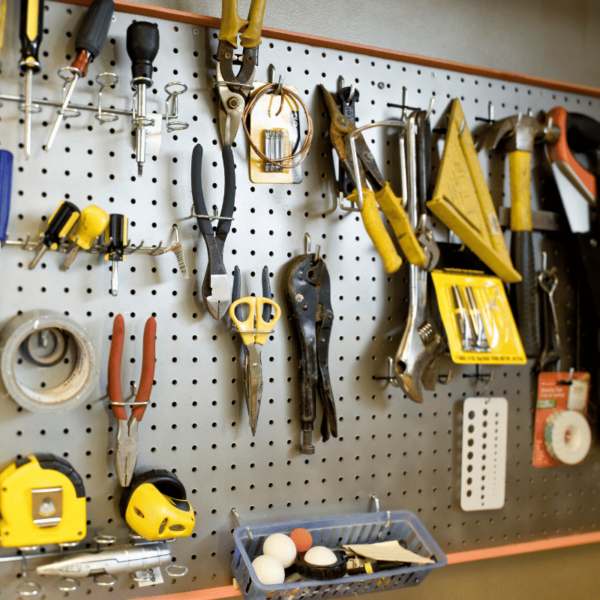
Nowadays, a lot of individuals prefer having tools like a mechanic at home. 

The fundamental purpose of your new tool should be to make your life simpler. The procurement process involves a lot of moving parts, such as purchase orders, supplier data, financial planning, and the up enough money itself.

As far as possible, try to manage these activities through your procurement platform. Usually, saying something is easier than really doing it. And the more you rely on buying, the more help you’ll need.

To get things done correctly, you need technical expertise and superior tools. The equipment is useful since you may quickly and simply fix minor car problems before taking them to a professional.It is quite beneficial to have a selection of excellent mechanical tools. Having the necessary tools may make your life a lot simpler if you enjoy fixing things or are a skilled mechanic.

Ask your relatives, friends, and coworkers for references if you need help locating a reliable internet merchant. If someone had a really bad encounter, you’ll know about it. The most successful online businesses prioritise providing excellent, on-time performance and satisfying customers.

There are several different mechanic tools available for purchase, including:

Tool for a lapper air valve for joint banding, a flexible jump starter, a grease gun, an electronic multimeter, and two compression tests.

If a mechanical tool set is lacking the tools you require for your job, there is no use in purchasing it. Choose a package that includes everything you need after doing your research.

Any mechanic’s profession requires the use of machine tools, therefore it’s necessary to have a good selection on hand. The popularity of online shopping has made it simpler than ever to buy mechanics gear. To make sure you’re obtaining the greatest gear for your money, it’s crucial to take a few measures. When purchasing mechanics tools online, keep the following in mind:

1. Brand Image

When purchasing mechanic equipment online, brand reputation should be given the utmost importance. When it comes to mechanics tools, brand recognition is important. Always shop from trusted companies who are renowned for creating high-quality goods. Find out which manufacturers are trustworthy and respectable by doing some research and reading reviews from other mechanics.

2. Product Quality

The second crucial aspect to take into account when purchasing mechanic equipment online is the material quality. You want instruments that are constructed from durable materials that last for a very long period. Look for tools composed of materials like carbon steel, chrome vanadium, or toughened steel. These materials are strong and capable of withstanding constant use.

3. Tool Set Size

It’s crucial to take the size of the tool set you’re buying into account. You can require a large or small set, depending on your requirements. It’s critical to consider your needs before making a purchase. Although a larger set could cost more, it might also have more tools than you require. On the other hand, if you just need a few basic tools, a smaller set could be more cost-effective and useful.

4. Compatibility of the Tool Sets

Compatibility is an additional important aspect to take into account when purchasing mechanics gear online. Make sure the tools you buy are appropriate for the kinds of automobiles you’ll be working on. Make sure the kit you’re purchasing contains the equipment you need for your car because they may need particular sizes or types of tools.

5. Warranty

A warranty is a crucial component of buying any item, and machine tools are no different. A warranty guarantees that you are shielded against flaws and other potential problems. Find sets with warranties while shopping for mechanics’ tools online. Some manufacturers give lifetime guarantees on their products, which may be quite advantageous.

6. Price

When purchasing anything, including mechanics tools, the price is always a factor. Finding a set that satisfies your needs and stays within your budget is crucial. Be wary of sets that appear to be too good to be true, though. Cheaper sets could not survive as long as more costly sets since they may be composed of inferior materials.

7. Return Procedure

It’s crucial to review the return policy of the website you’re buying from before you commit to a purchase. You’ll need to be able to return the set for a refund or exchange if it’s broken or doesn’t live up to your expectations. Search for websites with lenient return policies.

8. Client testimonials

Last but not least, examine customer reviews of the tool set you’re thinking of buying. These evaluations can offer insightful information on the effectiveness and calibre of the instruments. Other mechanics who have bought the same set of tools may teach you a lot, and their input can aid in your decision-making.

Finally, purchasing mechanics equipment online might be a practical and economical approach to stocking your garage. To make sure you choose high-quality, long-lasting instruments, it is important to follow a few safety measures. You may make an informed choice and choose a set of mechanics tools that fit your needs and surpasses your expectations by taking into account elements like brand reputation, material quality, tool set size, compatibility, warranty, pricing, return policy, and user reviews.

Categories: Blog

Wheel chocks are a crucial piece of equipment for maintaining the security of parked or being worked on cars. They stop the car from rolling or moving, preventing accidents and property damage. It might be difficult to pick the proper wheel chocks, but doing so is essential to ensuring the highest level of safety.

How do you choose the finest wheel chock for you when there are several options available? Well, “No Chock Fits All,” and your car’s safety is dependent on a number of variables. So always go by the instructions provided by the vehicle’s manufacturer and properly test any new brakes before putting them to long-term use. Here are some broad guidelines to guide you in making the correct chock decision.

Wheel Chock Design and Components

Finding the appropriate form for the car you plan to protect is the first step. While certain reinforced plastic variants of our wheel chocks are available in both lightweight and durable varieties, the bulk of them is composed entirely of natural or synthetic rubber.

1. Size and Weight Capacity

Size and weight capacity are the first and most crucial factors to take into account when selecting the best wheel chocks. The chocks must be able to sustain the weight of the car and be sized to accommodate the wheels of the vehicle. For the vehicles you will be dealing with, look for chocks that are made to their weight and dimensions. The chocks might not be able to stop the car from moving if they are too weak or too tiny.

2. Material

A variety of materials, including rubber, plastic, and metal, are used to make wheel chocks. The most popular material for wheel chocks is rubber since it has an excellent grip and is long-lasting. Another common type of chock is plastic, which is lightweight and convenient to use. Although less prevalent, metal chocks are sturdy and capable of supporting higher weights. Select the material that best meets your demands while keeping in mind the sort of vehicle you’ll be dealing with.

3. Ground

Another crucial aspect to take into account is the surface where the chocks will be installed. You’ll need chocks with high grip if the surface is smooth, like concrete or asphalt, to stop slippage. For flat surfaces, rubber chocks make sense since they offer high traction. You may require chocks with a more aggressive tread pattern if the surface is tough, such as gravel or dirt, in order to offer a stronger grip.

4. Slope

The slope of the surface where the chocks will be installed is a crucial consideration. For best stability on a sloping surface, you might require chocks that are wedge-shaped. Before working on the vehicle, look for chocks that are intended to be used on slopes and make sure they are firmly in place.

5. Shape

Another crucial aspect of the wheel chocks is their form. Some chocks are straight, while others are bent to match the curve of the wheel. In contrast to the straight form, which is better for preventing sliding, the curved shape is better at preventing rolling. Pick the form that best satisfies your requirements.

6. Amount of Wheels

When selecting wheel chocks, take the vehicle’s wheel count into account. When a vehicle has two wheels, it only needs one chock per wheel; when it has four wheels, it needs two chocks for each wheel. Make that you have enough chocks to hold the car securely.

7. Storage

Finally, think about where you’ll keep your tyre chocks. When not in use, wheel chocks can take up a lot of room, so it’s crucial to select chocks that can be conveniently stored. To minimise space, look for boxes that can be stacked or hung on a wall.

The following is a list of various unique wheel chock shapes:

Compared to standard chocks, aircraft wheel chocks are longer and include a colour-coded cable that makes manual deployment simple.

For big cargo and construction trucks up to 40 tonnes, double-sided pyramid wheel chocks are the best option. They have an excellent tread and may be equipped with handles or eyelet pins for simple construction. Additionally, Yellow Rubber Chocks are offered to improve visibility in low-light weather.

Typically, a standard Wheel Chock is needed for most vehicles, vans, and travel trailers. The following stage will be determined by the size of your tyres and the weight of your vehicle.

How To Measure Wheel Chocks

The height and size of the wheel chock are the most crucial considerations. It is advised that the chock’s height be at least a quarter of that of the wheel. If the car is going to be parked on an incline, much higher. Choose a size that will comfortably fit your wheel after measuring its height and breadth. Next, evaluate the vehicle’s weight and the maximum load that the wheel chock can support. Some chocks have hollow interiors to minimise their weight and cost, which also lowers the amount of weight they can support.

To sum up, selecting the appropriate wheel chocks is essential for guaranteeing the security of automobiles while being parked or serviced. When selecting the best wheel chocks for your purposes, take into account elements like size and weight capacity, material, surface, slope, form, number of wheels, and storage. You may pick the best chocks to avoid accidents and provide optimum safety by taking these things into account.

Categories: Blog

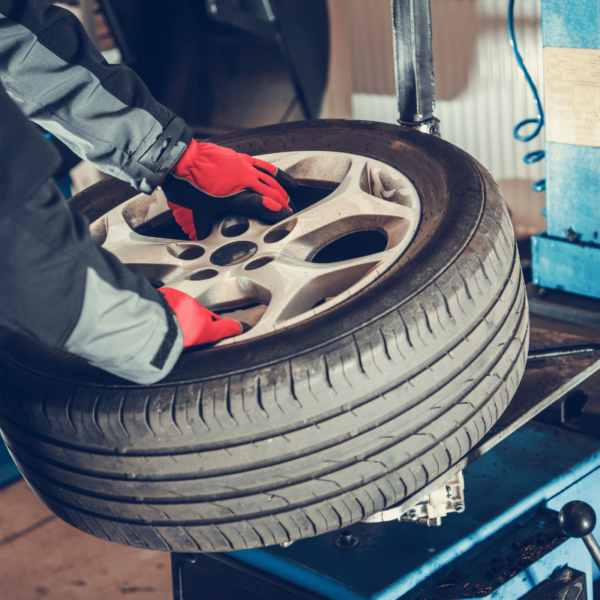
Whether you have numerous functioning automobiles or live in a rural location upstate, a tyre changer is a great item for your tyre store, garage, and even at home.

In the world of automobiles, being able to operate a wheel clamp tyre changer machine is crucial, whether you are a professional or just a normal car owner. No matter why you’re buying it, it’s a worthwhile investment that will end up saving you money.

How Do Tire Changers Work?

A tyre changer is a device that assists in detaching and reattaching tyres to wheels. Although there are several tyre changers with various features and functions, they all serve the same basic purpose. There are essentially two categories of tyre changers:

Hydraulically operated: These tyre changers apply pressure to the tyre to dislodge it from the wheel by use of hydraulic fluid and compressed air.

Manually operated: As the name suggests, using a manual tyre changer takes a little more work. To break the tyre bead, you must physically press down a lever and periodically move the tyre.

Each variety has advantages and disadvantages, but overall, they all help you rapidly and safely change your tyres. A decent tyre changer will be made of durable materials and with top-notch craftsmanship, making it easy to survive years of rigorous use.

Knowing how to use tyre changers

Prior to using a tyre changer machine, you should educate yourself on the numerous varieties and their many specialised functions:

Tilt Back Tire Changers

Their typical internal and exterior clamping capacities are 30″ and 28″, respectively. Because you won’t have to constantly screw and unscrew the head, tilt-back tyre changers are now simpler to operate and more useful for larger tyres.

Swing Arm Tire Changers

Most often seen at retail tyre stores, this kind of tyre changer. A larger clamping range is provided by the design of its four adjustable tabletop jaws. The simultaneous adjustment of all four tabletop jaws allows for error-free clamping.

Hi-grip jaw covers offer enough mounting torque to safeguard your wheels.

The swing arm changer’s sole drawback is that it requires frequent head unscrewing in order to accommodate various tyre sizes. On the whole, they are more cost-effective, more effective, and easier to use, therefore this may be disregarded.

Tire changers without levers or touches

suitable for low-profile tyres better.

In vehicle repair businesses, leverless tyre machines are the most prevalent kind. These are more expensive than the tilt-back and swing arm changers and are top-of-the-line.

Nonetheless, it is completely worthwhile to spend the money on a leverless tyre machine. They are easier to operate and more effective in rotating or switching tyres between wheels without causing bead damage. They also don’t require any training.

The capacity of a leverless tyre changer to independently raise and set down hefty rims is its most coveted attribute. At busy tyre shops, the operator doesn’t have to perform the strenuous manual lifting.

Heavy Duty Tire Changers

Larger vehicles, particularly those used in mining, construction, and agriculture, typically employ heavy-duty tyre changers. Wheels up to 56 inches in diameter, tyres up to 90.5 inches in diameter, and a width of 43 inches may all be changed using a standard heavy-duty changer.

The most recent models have a hydraulically driven, self-centring, four-jaw chuck with clamping jaws that can install and demount tyres up to 95 inches in diameter.

Motorcycle Tire Changers

Because they are made to handle smaller and lighter weights, motorcycle and ATV tyre changers are less complicated than other changers. The majority of them can fit wheels that are 10″ in diameter and 1-1/2″ broad. Even though they are often smaller and lighter to travel, they are nonetheless made of high-quality materials.

Utilizing a tyre changer machine with the power 

An extremely thorough and simple-to-follow instruction booklet is included with every tyre changer.

Before operating a tyre changer, you should read the operator’s instructions carefully and make sure you comprehend everything. It is definitely advised to have someone/a trainer who is knowledgeable about the type of tyre changer you have on hand if anything is unclear.

As an alternative, you may call the vendor or manufacturer of the equipment you buy to get a thorough over-the-phone walkthrough on how to use it securely. The equipment dealer may occasionally provide one-on-one training.

Once more, ALWAYS read and comprehend the entire handbook, regardless of whether you’ll have training or any form of expertise with a different model or brand.

Security First

Use safety eyewear before beginning any task, and stay away from wearing anything that might droop and become entangled in the equipment.

Gloves are also excellent, although they may not be absolutely necessary depending on the sort of equipment you are using and how much you will be moving the tyre.

Each contemporary automobile owner has to know how to change tyres. Or mechanic, but it may be harmful as well. Before doing anything else, always take the time to read all of the directions and become comfortable with how to operate a tyre changer correctly to ensure that every tyre replacement goes as easily as possible every time without accidents.

Categories: Blog

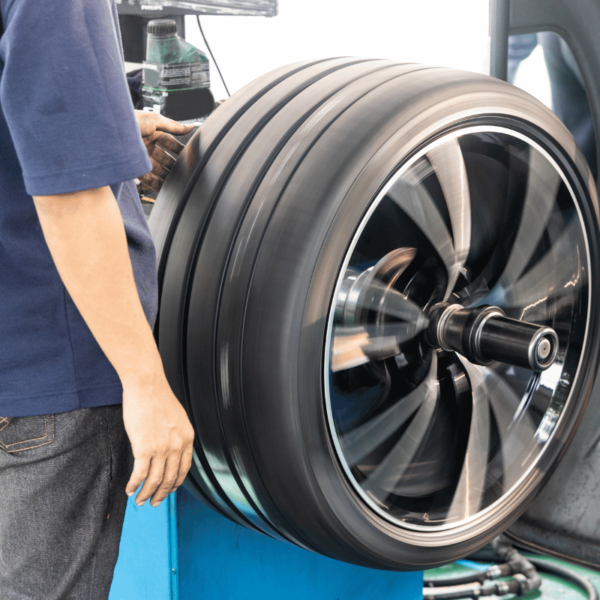
Wheel balancing sometimes referred to as tyre balancing, is the act of balancing the total weight of the tyre and wheel assembly to provide a smooth, fast-spinning rotation. The wheel and tyre combination is balanced by placing it on a balancer, which spins and centres the wheel to determine where the weights should be placed.

In fact, the weight of the wheels and tyres is never precisely the same everywhere. A little amount of weight is often taken off one side of the wheel by the valve stem hole. The connecting point of the cap plies or a simple variation in the geometry of the wheel can both cause modest weight imbalances in tyres. 

Buy wheel balancing machine accessories – Here

A little weight imbalance can quickly increase to a significant one at high speeds, creating a galumphing action in the wheel and tyre system. Typically, this causes the automobile to vibrate and causes the tyres to wear unevenly, which can harm them.

Traditional Spin Balancing

We put a wheel and tyre assembly on a balancing device to get it balanced. There are a few methods for manually balancing tyres, but they honestly fall short of machine balancing in terms of simplicity or accuracy. A metal cone is inserted to make sure the wheel is correctly aligned before the wheel is mounted onto the balancer’s spindle. 

To identify the assembly’s heaviest location, the machine rotates the parts rapidly. The machine then instructs the operator where and how many weights should be placed on the opposing side to make up for the heavy spot.

The following are the key concepts to understand when balancing:

Balance Is Required: Every wheel/tire assembly will eventually have an unbalanced weight. Sometimes we witness an assembly come out spontaneously and properly balanced.

Balance Alterations: The balance will gradually and dynamically alter as the tyre ages. As tyres are rotated or when switching to winter/summer tyres for a second season, for instance, most reputable tyre shops will wish to rebalance them. Rebalancing the tyres at least once over their lifespan will almost probably increase their lifespan.

Only balancing restores balance: The vibrations caused by a bent wheel, an out-of-round tyre, or uneven wear cannot be eliminated by balancing. Only weight discrepancies may be addressed by balancing weights; an issue that is genuinely physical cannot be.

Road Force Balancing

The “Road Force” balancer was created because vibrations and unusual tyre wear might have other causes besides balance. In addition to doing a conventional spin balance, this kind of balancer examines the wheel and tyre to see if there are any circumstances that would be likely to generate vibration on the road. 

Typically, balancers achieve this by gently spinning a huge roller across the tyre to measure radial runout and tyre pressure (i.e. deviation from perfect roundness). This can identify faults with match installation and belt separations, among other things.

Because perfection is unachievable, both wheels and tyres typically have high and low points in terms of their runout. You may visualise an egg-shaped object by dragging one point of a linked circle (such as the edge of a wheel) just a little bit outside. 

This forces another point of the circle to move inward in order to preserve the connection. These are the areas where radial runout is high and low. This setup would require more weight to balance on a conventional balancer, and it would presumably still vibrate.

The answer is to measure both the wheel and the tyre, then adjust the tire’s placement on the wheel such that its high point and low point are the same. Usually, this procedure is referred to as “match mounting.” The majority of tyres now feature tiny dots on the sidewalls to show where on the tyre the valve stem should correspond for a good match mount. 

Road force balancers do this task considerably more precisely by using rollers to measure the tyre and wheel and then instructing the user to indicate the places that need to match. The resultant assembly spins more straightly and needs less weight to maintain equilibrium.

Bang-On vs Adhesive Weights

Using a plastic hammer, bang-on weights, which were lead weights of various denominations with a soft lead flange, were initially applied to the edge of the wheel. While the wheels were made of steel, their weights were excellent. Nevertheless, when steel wheels were converted to alloy wheels, the weights cracked the clear coat, exposing the exposed aluminium underneath to rust.

The answer lay in Tape-A-Weights. With the use of clippers, flat adhesive-backed lead squares that weigh one and a quarter ounces apiece may be cut into strips and attached to the interior of the barrel behind the spokes. Despite the fact that the glue is fairly powerful, shrewd tyre technicians will nevertheless clean the area where the weights will be placed to remove any brake dust and grease. 

By doing this, the weights won’t drop. A piece of duct tape covering the weights will hold through almost anything if there is any doubt about the adhesive holding. When it’s too hot for the weights’ glue to hold, racing mechanics employ duct tape to keep them on the wheels.

So that’s why it’s a heinous sin to use bang-on weights on the face of an aluminium alloy wheel. While having your alloy wheels balanced, always request adhesive weights. Any tyre shop that does not employ adhesive weights should be avoided. Several locations will employ adhesive weights on the outboard side and bang-on weights on the inside flange of the wheel. (Bang-on weights often cost less.) Unless you have chrome wheels, this is typically totally okay. Any crack in the chrome can start the flaking process, which can eventually be fatal.

Categories: Blog

Many people today favour having a mechanic’s tools at home. 

Your new tool’s main objective should be to simplify your life. There are numerous moving pieces in the procurement process, including purchase orders, supplier information, financial planning, and the up enough money themselves.

Try to control as many of these processes as you can through your procurement platform.It’s typically simpler to say than to actually accomplish. And the greater you depend on buying, the more assistance you’ll require.

You need knowledge and excellent mechanical devices to get things done right. The tools are helpful since you may quickly and easily repair minor automobile issues before bringing them to a professional.Having a collection of top-notch mechanics tools is quite helpful. If you prefer making repairs or are a good mechanic, having essential equipment can make your life much more straightforward.

The option for finding a trustworthy online retailer is word-of-mouth—request recommendations from your colleagues, family, and coworkers. You’ll detect if somebody had a particularly unpleasant experience. Customer satisfaction and exceptional, timely performance are vital components of the most successful online enterprises.

A variety of various mechanic tools are available for purchase, including:

A versatile jump starter, a grease gun, an electronic multimeter, and a pair of compression testers,Tool for a lapper air valve for joint banding.

There is no point in buying a mechanical tool set if it is missing the tools you need for your work. Do your research and pick a kit that has everything you need.

When searching for new mechanics tools, be cautious to keep in mind the following points:

1. The minimum tools requirement

Make sure the tools are of the highest calibre. Despite their appeal, cheap instruments are typically less dependable and practical than expensive ones. Therefore, it is essential to undertake in-depth research and discover reliable manufacturers while shopping for mechanical equipment.

2. Policy on returns and warranties

Recognize the warranty and return policies. Others offer guarantees on various mechanical instruments, while some businesses have strict return policies. Understanding what you’re entering into before making a purchase is essential. If necessary, this will make it simpler to swap or refund the item.

3. Analyze endorsements and reviews

Reading customer feedback before purchasing something via the internet is a good idea. Make sure you are purchasing a high-quality item, particularly when it pertains to mechanized equipment.Reviews allow you to find out what others think about the equipment’s effectiveness, the satisfaction of customers, and any other elements that may be important to you.

4. Review Prices

Remember to compare prices before making a purchase. Because many businesses sell mechanics’ tools, you must find the one with the best prices for the equipment you desire. Then, after a thorough study, you can suit any limitation and enter your order at the website.

5. The mobility of the toolbox

Verify the weight and size of the toolbox. This is important if you plan to move your tools between sites. It might be more challenging to carry a more extensive, heavier toolset. Therefore, check that the toolbox you choose meets your requirements for weight and dimensions.

6. Support from the customer service team

To receive answers to your questions, contact customer support. Never hesitate to contact the company or seller if you have any questions. They should be happy to help you determine the most appropriate route for your needs.

The trusted platforms make it easier for sellers and buyers to find one another. As a result, tools are one of the most popular categories.

7. Pay attention to these parts

The user is shown the pieces up close when they get the tools. It has been used frequently if the instrument is worn out, torn, or broken. Of course, purchasing a used tool doesn’t always mean you don’t have to, but it does suggest that you inspect it thoroughly and haggle for a lesser price.

If you can, try it out: When purchasing power tools and significant equipment like pressure washers and generators, it is especially crucial to test the device out. You’re genuinely taking a gamble when you buy a tool if you can’t see it in action and hear the motor turn, and the value should represent your risk. If you can operate the device, examine the moving parts in detail and pay attention to the motor’s noise. If you attentively look and listen, you may frequently spot significant issues. When confidently operating the tool, pay great attention to the functioning parts. Again, you may typically identify significant concerns if you listen carefully and pay attention.

Conclusion

By conducting comprehensive research in advance, you can acquire a more extensive selection of equipment that will last you for many years.

Acquiring and distributing tools is frequently helpful in today’s linked society.

I sold many of them when it came time to improve my tools or close my store. I’ve also purchased a couple of items of such a nature. Savings that justify the time and energy spent on research and study.

Categories: Blog

Your car’s tires are in charge of maintaining their health. It is essential to maintain its safety because it is the only component that directly touches the road. Tire maintenance may be done in a variety of ways. While you may try some of them on your own, the rest will require the help of expert services.

Do you want to learn the finest tire maintenance advice? Then, some of the most practical suggestions for increasing tire longevity will be provided in this article.

What Is the Best advice for tire Care?

The most straightforward strategy to extend the life of automobile tires is to keep an eye on them continuously and fix any problems as soon as they arise. Here are some recommendations for tire upkeep that will help you keep your tires in good condition for an extended period.

Think about routine inspection

It is advised to properly examine your tires for rips and defects at least once a month. Your car’s tires and tread may sustain significant damage if you often drive on deteriorating roads. Consult a tire specialist regarding any cracks, penetrations, bulges, knots, or air loss.

You may stay informed about the tire’s health and make wise selections by looking for damage. A tire typically lasts six years or so under ideal circumstances. You will enjoy a smoother ride if you know when to change the tires on your car.

Verify your tires’ pressure

The lifetime of your tires is increased, and driving safety is increased with proper tire inflation. Therefore, it is advised to check the tire pressure at least once every two to four weeks. To minimize driving annoyance, keep the inflation pressure within the specified ranges.

Your tire handbook contains the suggested specifications for your particular set of tires. A tire’s underinflation is frequently blamed for severe tire degradation and air loss. On the other hand, excessive inflation causes rigidity, which makes driving more uncomfortable. As a result, consistent tire pressure control is crucial.

Learn more about tire changer tool

Keep the Same Tire Size and Type

Preserving uniform tire size and type is frequently helpful when maintaining tire health, so keep that in mind as you think about the tire maintenance advice. Typically, radial tires are used on most passenger automobiles. You should use the exact tire size for all four automobile locations. For best results, one should avoid mixing and matching tire sizes unless the vehicle’s manufacturer recommends separate tire sizes for the front and rear wheels.

Tire damage may result from employing various tire sizes and kinds. Furthermore, improperly utilizing and maintaining different tires in a vehicle might shorten a tire’s lifespan.

Examine tire rotation

Tire specialists advise rotating your tires while you’re driving. Try turning your tires if you see them wearing down every 5000 kilometers. While doing so, ensure that each tire has equal exposure to the road. This will prevent one of the tires from wearing down too quickly and interfering with how you drive.

Healthy tire conditions are ensured by routine tire rotation. However, the riding experience is still comfortable since the tires’ wear is consistent. Additionally, this treatment lengthens the lifespan of the tires.

Take Wheel Bolt Size into Account 

Typically, the manufacturer will give the wheel bolts to the car owner. This limits your ability to influence their size. However, it would help if you watched out for the length of the bolts used for tires. To accommodate the design of all types of tires, they should be of moderate size.

Bolts can only function if they are in the proper form; the wheels may thus come off as a result. They may also harm the suspension of your car. As a result, it is usually essential to have the bolts inspected by a professional after buying a car.

Continue to Drive Smoothly

Being a cautious and smooth driver might be another crucial step in tire maintenance. It is advised to drive slowly and as little as possible without thinking. For instance, if you move quickly and suddenly hit the brakes, the tires will suffer significant damage.

Therefore, driving at a balanced pace is better for preserving tire condition. This will keep tire wear to a minimum and prevent sudden braking. Additionally, avoiding bad driving conditions helps lessen tire damage.

Schedule a wheel alignment. Service

Checking wheel alignment and receiving correct servicing are required to keep your automobile running for as long as possible. In addition, it aids in ensuring that all of the wheel angles are to the manufacturer’s specifications. As the camber, caster, and toe angles determine wheel alignment, most tire experts recommend that drivers align their wheels at least once every 5,000 kilometers. Otherwise, they might think about it if they see uneven wear on the tire. Consistent wheel alignment helps prevent tire wear and tear.

Categories: Blog

Changing a flat bike tire is a relatively simple remedy, as long as you know how to do it. It will ultimately happen whether you ride on smooth pavement, bumpy gravel, or rugged singletrack trails, so you might start with the essential tools and the bike repair expertise you need to handle the issue.

Below, we go through everything you need to know about changing a bike tire, including successful bike tire repair advice. Using tubeless tires, you can skip to the tubeless section by scrolling down. Finally, here is your detailed instruction manual when you’re ready to start.

How to Change a Tire and Fix a Flat Tyre

Step 1: Take the Tire Off

Take out the wheel first. Keep your bike upright and engage the most demanding gear in your drivetrain if you have a rear-wheel flat. You should also loosen the brake if your bike has rim brakes, which many bikes still have today.

Next, place yourself on the side of your bike that isn’t the driver (across from the chain) and remove the wheel by either releasing the quick release or unthreading the thru-axle.

You can now take the tire off. Place the rounded end of one tire lever under the tire’s bead (outside edge) to dislodge it. Fix the other end of the lever to a spoke to keep it in place and prevent the unseated tire from popping back into the rim. Once one side of the tire is off, push the second lever clockwise around the rim by hooking it under the bead adjacent to the previous one. The tire doesn’t have to be taken off entirely.

Buy manual tire changer duckhead

Step 2: Track down the Offender

When the tire is free, remove the old tube (if necessary) and search for the flat, which a thorn, piece of glass, or another sharp object may have caused. To avoid getting another flat, carefully run your fingertips around the inside of your tire and rim to ensure nothing sharp is left behind. Next, examine the tire’s exterior, keeping an eye out for any potential foreign objects that may still be embedded in the rubber.

Pump some air into the old tube to identify the leak if you’re using tubes and want to perform some detective work. A pinch flat is represented by two holes next to each other, where the tube becomes pinched between the tire and the rim. A single hole indicates that a sharp object most likely caused your flat. You can double-check the area with a hole to ensure that the culprit has been removed by aligning the tube with the tire and using the valve as a point of reference.

Step 3: Fix the Issue.

If you’re the frugal type who likes to reuse old tubes, have several flats on your ride, and are out of spare tires, you can patch your tube with a patch kit. Go to the following section if you have a new tube.

First, use an emery cloth to wipe the pierced area and roughen the surface. Next, place it over the hole and firmly push for a glueless fix. Next, add a slight glue coating to the tube and patch if the patch calls for glue. When the bond becomes sticky, place the patch on top and push firmly to ensure it attaches.

Step 4: Install the tube  

Just enough air should be pumped into your repaired or new tube to keep its shape. This makes fitting it into the tire simpler. After inserting the valve stem straight through the valve hole in the rim, place the tube inside the tire. Next, roll the tire back onto the rim with your hands, rolling the bead away from you. Avoid using levers to reseat the tire to avoid damaging your new tube. Once you reach the valve stem, tuck the tire bead into the rim on both sides and push up on the branch to insert the tube into the tire.

Step 5: Reinstall the Wheel

Reattach your wheel if everything appears in order, making sure the quick-release or thru-axle lever is located on the side of your powertrain opposite the rotation. 

If your rear wheel flatted, carefully reattach the wheel to the frame by wrapping the top of the chain over the cassette’s smallest cog. You can either reinstall the thru-axle into the frame and hub and thread it closed, or you can complete your quick release and, if appropriate, your rim brakes.

Lift the rear wheel one last time and give your cranks a quick spin to check that everything is back in place and working correctly. Then, remount your bike and enjoy your ride if everything is in order.

Categories: Blog

If you have a truck, you know how important it is to keep your lug wrench on hand. A good lug wrench can make all the difference when changing a tire, especially if you are in the middle of nowhere and don’t have access to any other tools.

However, with so many different lug wrenches on the market, it can take time to determine which one is best for your vehicle. The first thing you should do before purchasing a new lug wrench is measure the size of your wheel lugs. This will help you determine what size of wrench will work best for your vehicle and allow you to purchase one that fits without having to return it.

Some things need to be considered when looking for a new lug wrench, such as durability and materials used in construction. You want something that will last but will be relatively inexpensive too.

Introduction: What is a Lug Wrench?

A lug wrench is a type of wrench that is used to tighten and loosen the lug nuts on a car wheel. A lug wrench is one of the most common types of wrenches, and it can be found in almost any garage or toolbox. It is also known as a tire iron or tire spanner.

This type of wrench is made up of an L-shaped handle with a hexagonal socket at one end to fit over the head of the bolt, nut, or axle. The other end usually has a pin that fits into the slot in the center of the nut to hold it in place while turning.

Types of Lug Wrenches That You Can Buy

It is important to know the available types of lug wrenches. The most common types of lug wrenches are the standard type, the socket type, and the open-end type.

  • The standard type is a wrench with a closed loop at one end and an open loop at the other. The closed loop is used to tighten or loosen nuts, while the open loop can be used for either tightening or loosening nuts. This type of wrench is usually made from steel and has a chrome finish that protects it from rusting.
  • Socket types have a socket wrench with an opening on one side that fits over a nut or bolt head so it can be tightened or loosened. These come in various sizes for different-sized bolts and nuts. 
  • Open-end types have an opening at both ends which means they can be used for either tightening or loosening nuts and bolts.

As a rule of thumb, a breaker bar is used when the bolt head is large, and the nut or bolt has rounded corners. A torque wrench is used when rounding on the bolt head, and the nut or bolt is smaller. The torque wrench should be calibrated to help prevent over-tightening bolts that may cause breakage.

Why You Need A Lug Wrench To Start With

A lug wrench is a tool used on truck wheel nuts and bolts. It is mainly used to fasten and loosen the wheel nuts. The lug wrench has two ends. One end is a socket used to fasten and loosen the wheel nuts and bolts of trucks. The other end is a metal bar with a U-shaped opening that can be twisted to provide torque.

In this article, we will share with you some tips for Buying Lug Wrench

1. you must know the size of the lug nuts on your car before buying a wrench. The most common sizes are 14mm, 17mm, and 19mm.

2. You should always buy a lug wrench made of steel, not aluminum or plastic because they are less durable and can break easily.

3. Always buy a lug wrench from a reputable company like SARV because they have better quality products than other companies.

Categories: Blog

Tire stitchers are necessary to effectively repair a tire. It is feasible for such an entire patch to cling to the tyre by using a tyre stitcher to ensure that it is compressed into the inner tube of the tyre. Specifications: Dimensions: 2″ x 1/4″

The top three tyre puncture repair techniques by far are:

  1. an outside fix made with tire string.
  2. an internal fix made using a patch.
  3. an internal fix utilising a patch and plug combo.

Another method to repair tire is Sewing the tire and for that we’ll need a good needle to sew the tire. A needle that is large enough to go through a tyre but not so large that it leaves large holes in the tyre is required.

The Standard Tire Repair Equipment

Pliers

It is a hand-hheld device that can be used to pull, chop, or securely grasp anything. Remove any foreign objects that have caused a tyre puncture, such as nails, rocks, or other pointed objects, with pliers.

Tool with a T-handle

There will be two T-handle tools: a rasp tool and a tool for inserting needles. They are employed to clean the hole and insert the plug securely.

The inside of the tyre hole needs to be cleaned using the rasp tool. Just move it up and down into the injured region. Next, place the repair plug in the needle insertion tool’s eye and insert it into the hole in nearly all of the affected areas. Wheel Plugs

These cordage fragments are used to seal off the injured area. You should keep an extra supply of plugs on hand in addition to the ones included with the kit.

The rubber cement

This type of glue is created by combining latex with a solvent, such as toluene, acetone, or heptane. The purpose of the tyre plug is to seal the leaky or punctured area.It creates a reliable yet adaptable relationship between two things.

Tire air pump

Solvents, which help the coatings stick to the rubber tyre, are among the three components of the pressurised fluid combination found in canned tyre inflators. sealants, which cover the hole momentarily. propellants that force the tire-inflating sealant into the container and into the tire. Auto Jack

Sometimes it’s impossible to fix the rupture without removing the tire. A car jack will be required in that situation.

How to patch a punctured tire:

There is no failsafe tire. Even items made by companies with the best bicycle or vehicle tyres might develop punctures. Therefore, a rupture repair kit should always be kept on hand as the first line of defence.

Now, stop and park your car on a level surface in case you come across a leak. Before beginning to repair the puncture, switch the engine off and engage the parking brake. Try to fix the tire while it’s still attached to the car. Take these actions:

  1. To remove the alien item that has pierced the tyre, use the pliers.
  2. Remove the item and replace it with the spiral probe. To clean and enlarge the leak’s area, slowly circle the spiral probe.
  3. Remove one tyre cord from the packet, then place it in the middle of the big needle that is given. Once both sides are level, push the strip through the needle eye.
  4. To unclog the puncture, lubricate these spiral probes with the rubberized cement solution and insert them there.
  5. Take out the spiral probe, then swiftly affix the needle and cord for repairing tires. Just enough of the cord should be visible outside the rubber after you’ve pushed it inside for a while.
  6. At this point, swiftly withdraw the insertion instrument by pulling the handle straight out.
  7. Trim the protruding ends of the cord with a blade or knife.Even if some pieces are not completely trimmed, the wheel will nonetheless flatten them.
  8. Your car is ready to depart once you re-inflate the punctured tyre.

What purpose does a stitching tool serve in tire repair?

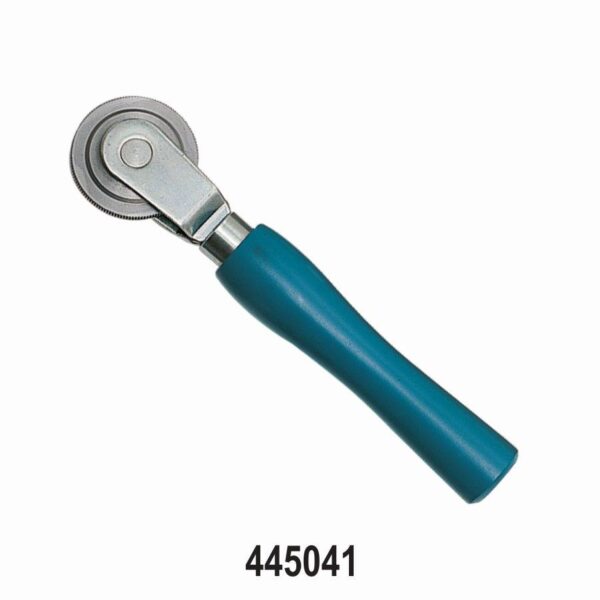
Every vehicle’s puncture repair (patch) is done with a roller stitcher. The roll stitcher is used to forcefully roll over the surface of the patch to remove any potential tiny bubbles between the repair patch and the tyre.The equipment that is meant to mould or bend metallic coating into desired shapes is called a roller set or a rolling tool.

What exactly is an auto tire patch?

The auto tyre rupture patched bearings roller needle tool fits all types of tubes, tyres, and tubeless tyres exceptionally well and without causing any harm.The hole is patched from the inside. If the patch you have now is self-vulcanizing, once you start driving, it will heat up and melt into the tire’s rubber.